
Published
- 03:00 am

Peppercorn the world's first Conversational AI platform built specially for insurance has chosen next-generation reconciliation software specialists Aurum Solutions to automate their reconciliations.
As a start-up using AI to motor high-quality car insurance, Peppercorn harbours ambitions to scale quickly and their finance team is preparing for the inevitably of dealing with more transactions on a daily basis as they grow.
For the past two decades, Aurum has been working with companies that span sectors including banking, fintech, asset management, hospitality and insurance amongst others in over 35 countries and has worked with hundreds of household brands both in the UK and globally, including Stonegate Group, Octopus Investments, Ladbrokes, HTB, Admiral and more, supporting finance teams and transforming departments’ data quality and operational efficiency.
As disruptive innovators in the insurtech space using cutting-edge conversational AI to change the whole car insurance experience, Peppercorn are determined to not let manual processes and wasted time be part of the high-volumes which they will come to experience in the future. Peppercorn promotes the use of AI to drive leaner operational costs, and wants to ensure that their internal processes are aligned with their values which is why they chose to work with Aurum to automate their reconciliations.
The partnership ensures Peppercorn can scale, reduce errors and operate in a way conducive to various systems. It was also non-negotiable because of Peppercorn's ethos as a tech-first, entirely online, completely remote company – whoever they worked with had to match their forward-thinking principles.
Says Jade Riggs, Finance Manager at Peppercorn: “Nearly 20 years in the reconciliation industry as a company spoke volumes, and the individuals at Aurum were equally impressive during demos and consultancy calls.” As a business just starting out, creating new systems and working with providers for the first time, Aurum's competency and capabilities were pivotal for Peppercorn – they needed assurance that their reconciliation partner could create a solution that matched their vision despite not possessing any legacy data at the time.”
Says Tiago Veiga, CEO Aurum Solutions: “Our partnership ensures Peppercorn can scale, reduce errors and operate in a way conducive to various systems. It was also non-negotiable because of Peppercorn's ethos as a tech-first insurance company– whoever they worked with had to match their forward-thinking principles.”
Since going live, Peppercorn has experienced:
- Bespoke scripts for data enhancement so that monthly bulk payments of up to 3,000 transactions are automatically reconciled on an individual basis
- A compact, simple and quick reconciliation process, despite them having grown from managing hundreds of policies to 15,000
- 06:00 am

Thunes, the global cross-border payments infrastructure network, today announced the expansion of its Acceptance payment network to five major Asian markets: Indonesia, Malaysia, Philippines, Singapore, and Thailand. This will enable European and international merchants to receive payments from consumers in Southeast Asia and settle in their currency of choice.
With a population of 675 million and a combined GDP of $2.55 trillion, Southeast Asia is predicted to become the fourth largest economy worldwide. However, companies and merchants seeking to take advantage of the growing purchasing power of this region may face some challenges: while US and European consumers mainly use credit cards to pay online, as shoppers in Southeast Asian countries tend to use alternative payment methods such as mobile wallets, Buy Now Pay Later (BNPL) and Real-Time Payment (RTP) schemes.
Thunes expanded acceptance network enables global merchants to accept payments from Southeast Asia’s most popular local payment brands, including:
- Indonesia: Alfamart, DANA, OVO, QRIS, ShopeePay
- Malaysia: DuitNow, Boost, GrabPay, Maybank QR, ShopeePay, Touch ’n Go
- Philippines: Cebuana Lhuillier, GCash, GrabPay, InstaPay, Maya, PESONet, ShopeePay
- Singapore: Atome, GrabPay, PayLater by Grab
- Thailand: Bangkok Bank, Bank of Ayudhya - Krungsri, KBank, Krungthai Bank, SCB, PromptPay, Rabbit LINE Pay
Andrew Stewart, Executive Vice President of Account Management and Network, said: “While Southeast Asia’s rapid growth offers a remarkable and enticing opportunity, the speed of change in this region can pose a daunting challenge for merchants. In order to keep up with ever-evolving consumer preferences, businesses must be agile and provide a range of local payment options.
At Thunes, we’ve hand-picked the most relevant payment brands in Southeast Asia to help merchants in gaming, eCommerce and marketplace platforms enter new markets and expand their footprint.
Through our extensive acceptance network comprising 300 payment methods in 90 countries, businesses can easily tap into the vast digital-first consumer market, creating instant connections with millions of potential clients.”
- 04:00 am

Akamai Technologies, Inc., the cloud company that powers and protects life online, today released a new State of the Internet report that explores existing and emerging cyberattacks against the financial services industry. The new report, The High Stakes of Innovation: Attack Trends in Financial Services, finds that financial services is the third-most attacked vector in the Europe, Middle East, and Africa (EMEA) region, with approximately 1 billion web application and API attacks, which represents a significant 119% year-over-year increase when comparing Q2 2022 with Q2 2023.
In EMEA, insurance is by far the most attacked sub-vertical of financial services with 54.5% of all web attacks, which represents a 68% increase year over year. Insurance companies hold a huge amount of personally identifiable information, which makes them an attractive target for cybercriminals in contrast with other financial services organisations that hold mostly financial data.
The report also finds that as a region, EMEA experienced the most DDoS attack events (63.5% of attacks worldwide), which is nearly double the number in North America, the next top region (32.6%). The United Kingdom tops the list in EMEA at 29.2% of DDoS attack events, followed by Germany at 15.1%. Akamai surmises that the attacks on the European banks that are allies of Ukraine are financially and politically motivated by Russia’s continued war in Ukraine and are the primary reason for the increase in attack events in EMEA.
Other key findings of the report include:
- Between January 2022 and June 2023, DDoS attacks on financial services in EMEA equated to 1,466 of the 2,590 attack events across all verticals in EMEA and resulted in a 40% increase year over year in DDoS attacks when comparing Q2 2022 with Q2 2023
- DDoS attack events against the gambling, commerce, and manufacturing verticals in EMEA each also exceeded all other regions combined
- 24% of the scripts used by financial services organisations in EMEA come from third parties, which is notably lower than in other verticals (36%)
“As cybercriminals continue to follow the money, financial services remains a hugely attractive target. At the same, this is one of the most regulated sectors and hence it is essential for companies to align their security strategy with emerging laws and regulations,” said Richard Meeus, Akamai’s Director of Security Technology and Strategy, EMEA. “The High Stakes of Innovation: Attack Trends in Financial Services aims to provide insights that will equip this sector with the tools needed to improve security for their customers.”
- 02:00 am

European consumers are in “open relationships” with brands, akin to the concept in personal interactions, according to the latest research from Twilio, the customer engagement platform that drives real-time, personalised experiences for today’s leading brands.
Twilio’s Relationship Economy Report 2023 – which surveyed over 6,000 consumers and 1,800 marketers across Europe – revealed that consumers have an emotional affinity towards an average of 4.75 brands. This points to a readiness among modern consumers to seek out variety and challenge the traditional notion of long-lasting brand loyalty.
Despite this non-monogamous behaviour, consumers universally value trustworthiness and consistency from brands. They prioritise brand honesty (44%) and reliability (41%) above all else, mirroring the qualities they most value in their personal romantic relationships.
Sam Richardson, CX consultancy at Twilio, comments: “Brands need to be thoughtful about the way consumers approach relationships. Nowadays, a relationship doesn’t have to be lifelong or exclusive to be considered meaningful. A short-term engagement can still be genuine and courteous. It’s about being real and respectful in every interaction. This behaviour shift is important for brands - while it might be harder to gain customer loyalty than a decade ago, the reward is much greater when they get it right.”
Practicality over emotional connection
In this new landscape, expertise and efficiency are taking precedence over emotional connection, reinforcing that loyalty stems from company action and is no longer a given based on the product or service alone.
The study revealed that 31% of consumers prioritise expertise when contacting brands, while 24% place a premium on efficiency - far surpassing the 15% of people who prioritise emotional connections. This represents a notable shift in priorities: just last year, the ‘E3 formula’ of efficiency, expertise and emotion were considered equal building blocks of customer engagement.
However, it appears that brands may have “overcorrected” in their efforts to meet consumer demand for functional efficiency, as only 27% of European consumers reported that they are regularly made to feel special by brands.
Richardson continues: “There has been a noticeable shift towards pragmatism among European consumers, in many ways down to the economic reality we live in. But unfortunately, it appears that the pursuit of functional efficiency may be leading to more lacklustre engagements. Organisations have been adapting their strategies to deliver dependable solutions that effectively cater to consumer needs – but they must continue to deliver standout experiences that drive strong customer engagement and make people feel special.”
Consumers swiping left
The research revealed that some brands are struggling to keep pace with this dynamic consumer environment. Keeping up with evolving customer needs and behaviours emerged as the top challenge faced by marketing leaders (44%), ahead of knowing enough about their customers (42%), understanding their boundaries (42%), keeping things exciting (40%) and maintaining consistent experiences across channels (35%).
Consumers appear to agree that marketers are not always getting it right, with over four in five (81%) respondents reporting that they have “dumped” a brand. Following a lack of reliability (44%), the biggest brand turn-offs include a lack of communication or difficulty in getting a response (30%) and constant calling or messaging (28%).
“There is a fine line between too little and too much communication, emphasising the need to strike the right balance in their interactions with customers, and the need to always be readily available,” comments Richardson. “Real-time personalisation will allow brands to deliver the right kind of communication, at the right time. By delivering tailored messaging, offers and products to each individual consumer, they will be able to build more genuine, two-way relationships.”
First-party data as the key to success
The study found that marketers are pinning their hopes on first-party data to build more respectful relationships in this new consumer environment.
Over half (56%) of marketers believe that use of this data will enable more accurate personalisation, and 53% believe it will also create better customer experiences, helping to improve customer engagement. Other advantages cited include more transparent data use as a vehicle to build trust (50%), and the ability to put the customer back in the driving seat (37%).
The emergence of AI will also make it easier for brands to build these unique interactions with every single customer and create longer-lasting relationships, making it more likely they’ll be in the inner circle of their customers.
Richardson concludes: “In this new non-monogamous world, achieving recurring revenue and staying top of mind hinges on resonating with today’s consumers. Brands that stand out will be the ones that demonstrate honesty, liability and genuine respect - a journey that starts with first-party data. They will build the strongest relationships, realise huge potential gains for customer engagement, and build a new kind of loyalty.”
Read The Relationship Economy 2023 Report here: full report
- 08:00 am
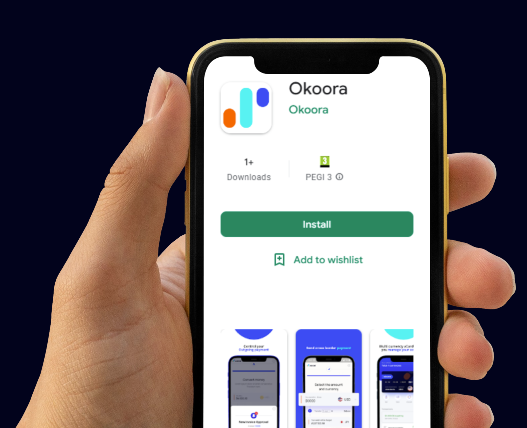
Swiss-Israeli fintech startup Okoora is enhancing its AI-driven ABCM™ (Automated Business Currency Management) platform to specifically cater to the unique requirements of startups in managing global payments, banking activities, and risks.
ABCM™, Okoora's integrated AI-driven platform, combines operational tools, a comprehensive system for managing currency risks, and access to an extensive network of banks and transaction rooms. The platform simplifies the management of currency transactions and is designed to assist startups of all sizes and types in navigating the global market securely. Okoora is offering this tailored solution to startups in a 'Banking as a Service' model, allowing them to pay for the services they use without the need to invest in purchasing licenses.
With a range of tools to mitigate currency risks, Okoora's platform aims to address the unique challenges faced by startups in managing global currency transactions, such as receiving investment funds, protecting value from exchange rate fluctuations, and conducting cross-border payments in over 100 currencies worldwide.
'Banking as a Service' Model Minimizes Licensing Requirements
Okoora's platform is offered to startups in a 'Banking as a Service' model, allowing them to pay only for the services they use without the need to purchase licenses. This approach eliminates the financial burden of investing in licenses and provides startups with more flexibility in managing their currency activities. By connecting to Okoora's API, startups can access a comprehensive suite of functionalities, including opening currency accounts, making and receiving payments, currency conversions, and risk hedging. The platform is tailored to the unique needs and characteristics of startups, offering them a comprehensive solution to securely navigate the global market.
Impressive Growth and Customer Satisfaction
Since its launch in January 2022, Okoora has experienced significant growth, accumulating over 7,000 customers in the organizational sector and among small to medium-sized businesses in Israel. In its first year of operation, these customers executed tens of thousands of transactions totaling billions of dollars. Notably, all customers who purchased the ABCM license in 2022 renewed it for 2023, indicating high customer satisfaction and the platform's effectiveness in addressing their currency management needs.
Benefits for Startups and Their Customers
Startups that have adopted Okoora's platform are not only utilizing it for their own currency management needs but also leveraging it to enhance their services for their customers. For instance, a startup in the shipping industry now offers currency hedging to its clients, while startups in the real estate and payroll processing sectors provide their customers with additional platform features, adding value to their offerings. The platform's rich functionality and ease of adoption make it an attractive choice for startups looking to streamline their currency activities and enhance their competitiveness in the global market.
Encouragement from Venture Capital Funds
Venture capital funds are actively encouraging startups to adopt platforms like Okoora's to improve efficiency, maintain stability, and protect against foreign currency risks. With the ability to provide real-time system recommendations for currency conversions, Okoora's AI-powered platform has the potential to generate millions of dollars in profits and prevent similar-scale losses. The global foreign exchange market is known for its high volatility and complexity, making it challenging for startups to navigate without sophisticated tools. By using Okoora's platform, investors can ensure their portfolio companies operate wisely and responsibly in the currency markets, thereby reducing risks and maximizing returns.
Expansion Plans and Partnerships
Okoora is committed to expanding the functionality of its platform by offering additional services and currencies. The company has developed the Banking as a Service model, enabling strategic agreements with large foreign financial bodies and major Israeli institutions. These collaborations will allow millions of end customers to leverage Okoora's solutions while utilizing their existing financial infrastructure. Okoora has also signed a cooperation agreement with Max, one of Israel's largest credit card companies, to integrate its ABCM™ platform as an environment for all of Max's payment and risk management needs. Another recent partnership with Paysend, a global payment platform, will support Paysend's entry into the Israeli market by providing the necessary technological infrastructure.
- 09:00 am
Tuum, a leading next-generation core banking provider, announces a strategic partnership with AMLYZE, a leading provider of anti-financial crime solutions dedicated for FinTechs, neobanks and other global financial services providers.
The partnership between Tuum and AMLYZE enables banks and financial institutions to leverage out of the box compliance, thanks to the seamless integration of Tuum’s core banking, payments, and card modules, and AMLYZE’s comprehensive compliance solution, helping them stay ahead in the rapidly evolving, highly regulated financial landscape.
AMLYZE offers a full suite of anti-financial crime tools, including transaction monitoring, risk assessment, case management, and screening for sanctions, politically exposed persons (PEPs), and adverse media. This comprehensive set of tools, developed by regulatory insiders, empowers financial institutions with the means to proactively detect and mitigate financial risks while staying fully compliant with stringent regulations.
The financial sector is undergoing a transformation with industry disruptors taking centre stage. Simultaneously, regulatory environments are growing increasingly strict, leaving no room for compromise when it comes to compliance. Tuum and AMLYZE recognize these challenges and are committed to providing a solution that empowers financial institutions across the globe to navigate this evolving landscape confidently.
The initial focus of this partnership is on the European market, where the demand for innovative and compliant financial solutions is at an all-time high. Tuum and AMLYZE are poised to meet the unique needs of European financial institutions by leveraging their combined expertise and technology.
Jekaterina Govina, Head of Partnerships & Regulatory Affairs and co-founder of AMLYZE, expressed her enthusiasm about the partnership, saying, "Our joint solution can meet the needs of any financial institution, as both platforms are built by experts with decades of industry and regulatory experience. We hope that this partnership will bring unprecedented efficiency to the processes of any financial institution."
Jean Souto, VP Global Strategic partnerships at Tuum, comments “We are thrilled to partner with AMLYZE who are highly specialised and proven in the field of anti-financial crime. We both share the same values around delivering modern, highly configurable, easily integrated solutions. This enables banks and financial institutions to free themselves from the burden of legacy applications so they can respond quickly to market challenges and new opportunities whilst ensuring compliance with increasingly evolving stringent regulations.”
- 07:00 am

Visa Inc. today announced a partnership agreement with ABHI, a leading fintech company, and YellowPepper to introduce Account-to-Account (A2A) payments in the UAE. This collaboration aims to revolutionize the financial landscape by driving innovation, promoting financial inclusion, and accelerating the adoption of new payment solutions in the CEMEA region.
Shahebaz Khan, SVP and Head of Commercial and Money Movement Solutions CEMEA, said “People increasingly want faster and more flexible access to their wages. According to our recent “Money Travels: 2023 Digital Remittances Adoption” in UAE study, around 70% of surveyed consumers in UAE are turning to digital apps to send and receive funds internationally, in comparison to 53% of consumers globally. Visa’s partnership with ABHI will leverage Visa Direct’s capabilities in offering a cutting-edge payment experience, by facilitating an immediate, reliable and cost-effective way for ABHI’s customers to send and receive money. A2A transfers use card credentials, all backed by Visa’s multi-layered security and robust risk controls. Customers can transfer money between their own accounts, send remittances, fund savings and top up their digital wallets using the cards they already have.”
“As we embark on this journey with Visa, we at ABHI are not just making a technological leap, but a leap towards greater financial inclusion and a sustainable digital economy. By harnessing Visa Direct's technology, we are democratizing financial services, making transactions seamless, real-time, and secure for everyone in the UAE. This is not just an upgrade in the digital payments ecosystem, it's a step towards financial empowerment for all." said Omair Ansari, Co-Founder and CEO of ABHI.
“We are delighted about our strategic collaboration with ABHI and Visa, aimed at expediting the implementation of digital payments solutions in the region,” said Nat Scheer, Regional Head AP & CEMEA at YellowPepper “Through this partnership, we are dedicated to providing a seamless and robust digital experience that prioritizes security, speed and above all, convenience, to consumers in the UAE.”
This historic milestone marks the very first partnership between ABHI, Visa, and YellowPepper in the CEMEA region, by enabling Visa’s first Earned Wage Access (EWA) program in GCC markets. ABHI is introducing the EWA product in UAE through payouts to existing eligible Visa cards as well as payouts to co-branded Visa cards, which will be issued specifically for ABHI customers in the Wage Protection System (WPS) segment.
By leveraging Visa Direct's technology, ABHI will enable individuals and businesses in the UAE to experience seamless, real-time, and secure payments. This innovative solution will empower consumers to transfer funds directly between bank accounts, eliminating the need for intermediaries and streamlining financial transactions. With ABHI and Visa's collaborative efforts, UAE is poised to lead in the rapidly evolving digital payments space.
YellowPepper, a Visa Solution, helps institutions around the world connect to international and domestic real-time payment solutions through its Yepex platform, which enables multiple use cases* and services such as P2P, Cross-Border and Alias Directory, among others. It will also support domestic payouts in the UAE by enabling Visa Direct. With this integration, YellowPepper’s technology will allow ABHI customers to move money to Visa cards.
At the core of this ground-breaking partnership is a shared commitment of financial inclusion. ABHI and Visa are united by a vision to bridge the gap between the financially underserved population and mainstream financial services while advancing Environmental, Social, and Governance (ESG) principles.
As ABHI and Visa forge ahead with their collaborative efforts and commitment to innovation, ABHI is set to unveil an upcoming initiative called "Send Now Pay Later". This innovative service will empower individuals to seamlessly send money across borders using their earned wages, creating new possibilities for financial empowerment and cross-border connectivity.
With the increasing prevalence of mobile and digital payments in the UAE, Visa is committed to ensuring that all transactions are convenient, accessible, and secure, regardless of the device used for payment. This includes wearables, smartphones, appliances, or any internet-connected device.
- 07:00 am

MorganAsh, a leading provider of support services to the financial services sector, has strengthened its team with two senior appointments.
Supporting its growth in the customer vulnerability and Consumer Duty markets, MorganAsh appoints Peter Labrow as head of marketing. Peter brings with him around 40 years of experience, including as a journalist for Haymarket Group, as marketing manager for a global systems integration company – and as marketing director of one of the UK’s largest training companies.
Peter was the co-founder of the newswire Learning News – and founder of his own successful marketing agency. Peter also co-wrote the publicity book ‘Is It News?’ – an in-depth guide to writing press releases. He has worked with MorganAsh, as a marketing consultant, for more than a decade.
Also joining the MorganAsh team is underwriting and claims manager, Tracey Johnson. Tracey is a fully qualified and highly experienced medical underwriter and claims manager, who has worked in the UK and Irish protection market and with many of the UK’s life insurers.
Tracey has additional experience in training and development as well as in underwriting systems and rules development. She was an integral part of launching Bright Grey – which is now part of Royal London Retail – and has worked with, amongst others, Acorn, Allianz, AXA, Prudential, Standard Life and Utmost.
Peter Labrow said: “There’s always been a side of me which is drawn to work with socially responsible organisations. I’ve worked for several charities, including three hospices and a couple of social enterprises. The concept of helping organisations get to grips with consumer vulnerability in a best-practice way and enabling them to deliver more consistent outcomes is one that particularly excites me.”
Tracey Johnson said: “I’ve always liked MorganAsh’s approach. They were one of the pioneers of medical underwriting, gathering and using data in a far more intelligent way – with better results all round. This is a great team to be part of.”
Speaking on the appointments, Andrew Gething, managing director of MorganAsh adds: “These appointments add some solid, senior experience to MorganAsh. I've known and worked with Peter for around 20 years – and in the last few years he’s steadily built up his expertise in customer vulnerability. Tracey is a terrific addition to the team. Her reputation quite rightly proceeds her, and she brings with her bags of experience, knowledge and energy.”
Launched ahead of the FCA’s Consumer Duty regulation, MARS (The MorganAsh Resilience System) enables organisations to identify, record and manage vulnerable consumers, tracking changes to the vulnerability status over time. The system is in use across financial services and the utilities sector – and has been shortlisted for two awards.
Meanwhile, MorganAsh has been providing underwriting services for more than a decade – and is trusted by leading insurers. MorganAsh’s underwriting team can be used to supplement a firm’s in-house team or to provide a fully outsourced, use-as-you-need-it, service.
- 09:00 am

“Edge nodes and IoT devices are bringing transformative benefits to a whole range of industries but overcoming the security risks that exist today is critical to enable more organizations to take the leap,” said Andrew Shikiar, executive director and CMO of the FIDO Alliance. “The appetite we’ve seen for the FIDO Device Onboard (FDO) standard since we launched last year is a testament to how urgent the business need is to secure the edge in a way that’s quick and cost-effective. Launching the certification program marks another step towards fostering trust in the edge and IoT space and taking mass deployments to the next level.”
- Simplicity – Businesses no longer have to pay more for the installation and onboarding process than they do for the actual hardware devices themselves. The highly automated FDO process effectively brings ‘plug and play’ to the world of onboarding edge nodes and IoT devices.
- Flexibility – Businesses can choose which cloud or edge platforms they want to onboard devices to at the point of installation (as opposed to when devices are manufactured). A single device SKU can be onboarded to any platform (edge or cloud), thereby greatly simplifying the device supply chain.
- 02:00 am

Vega, a UK-based wealthtech platform set up by a team of former executives from leading hedge funds, private equity firms, and fintech scale-ups, has launched with over $8 million in equity investment from leading venture capital firms and angel investors.
"As a new generation of high-net-worth individuals emerges, we are building the financial products and technological infrastructure the wealth management industry needs to serve them," says Alexis Augier, founder and CEO of Vega. "Our goal is to provide a unified wealth management platform that transforms the experience for end-users while equipping advisors with institutional-grade solutions."
With Vega, users can invest across the asset allocation spectrum and build diversified portfolios covering both private asset classes such as private equity, venture capital, private credit, and real assets as well as public equities, fixed income, and commodities. Unlike legacy platforms focused on single-fund access, Vega leverages technology to construct diversified portfolios that combine multiple leading alternative asset managers — enabling users to invest in private markets in an optimal way while complementing their exposure with public asset classes, all on a single platform.
Beyond investment products, Vega is also building a wide range of liquidity and financial planning solutions. These will help wealth advisors and their clients unlock liquidity from — and optimise the management of — complex financial assets.
Vega's founding team consists of financial experts from notable investment firms like Elliott, Blackstone, KKR, and Goldman Sachs, along with product and engineering specialists from successful fintech scale-ups like Revolut and Trade Republic.
"Vega was born out of a personal frustration with the gap in sophistication between what we were witnessing working as institutional investors and the fragmented, mass-market private wealth solutions available to us personally," says Alfonso Bauzá de Mirabó, co-founder and COO of Vega. "We assembled a team of people who not only share this experience but are also passionate about tackling this disparity and redefining wealth management. Vega's unique approach is powered by our team's complementary skills across investing and technology."
Vega is backed by Motive Ventures, Picus Capital, Citi Ventures, No Label Ventures, and over 60 angel investors. These include senior partners from leading investment firms such as KKR, Blackstone, and Permira along with fintech executives with leadership experience at firms such as N26, Trade Republic, and Klarna.
"The world's top institutions grow their capital by investing in high-quality products, financing those investments efficiently, and planning for the long-term. After years of siloed innovation, we believe the private wealth space is entering a 'rebundling' phase, and Vega is well positioned to bring these successful wealth-creation methods to a broader audience via their technology platform," says Ramin Niroumand, Head of Motive Ventures.
"Having backed Vega since inception, we are impressed by what the team has built to open up previously inaccessible product categories to individual investors. By combining financial expertise with technology, Vega is truly levelling the playing field in wealth management" says Robin Godenrath, Managing Director and Founding Partner at Picus Capital.








