
Published
- 09:00 am

The future of Philippine fintechs, which have basic characteristics centered around innovation and sustainability, will be driven in major part by investments that value environmental, social and governance (ESG) principles, analysis from consumer finance company Digido revealed.
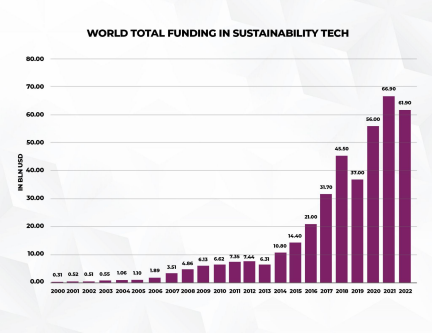
The global sustainability technology (SusTech) industry, characterized to have a key role in achieving ESG goals, has so far attracted about USD 400 billion in investments, with main growth occurring from 2014 to 2022, according to Tracxn. Of this USD 400 billion, about USD 8.8 billion has been used to finance the fintech microfinance sector, an integral part of sustainable development. At the same time, according to disclosed data, only USD 4 million was invested in 169 SusTech companies in the Philippines — indicative of opportunities to accrue more investments.
Possible measures for ESG-bent investments to become the mainstream driver of fintech development in the country include the development of recommendations for integrating ESG indicators into the investment decision-making process and increasing investor literacy and awareness regarding ESG investing, for example, through information campaigns and corporate training.
Digido views these measures to further promote sustainable and responsible investment practices in the Philippines, thereby multiplying investments through funding rounds. Companies that integrate ESG into their operations can expect more support from investors and consumers.
Moreover, they can play an important and tangible role in the sustainable development of the economy and the fight against climate change, as they expand their influence beyond business interests.
Growth of Philippines’ sustainability technology segment holding steady with SEA peers The growth of the Philippines’ SusTech segment is expected to hold steady with its peers in Southeast Asia.

Digido observes that the 216 SusTech companies in the Philippines (as of 2022) account for 10.1% of those in Southeast Asia, coming in joint fourth place with Thailand, after Singapore,
Indonesia, and Malaysia.1 The share of Philippine SusTech companies in SEA will maintain its pace for the foreseeable future, landing between 10 to 11%.
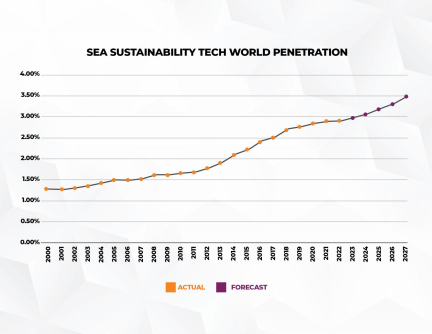
Comparing regional dynamics with global trends, SusTech companies in Southeast Asia are anticipated to grow at a faster pace.
- 08:00 am
Ripjar, the trusted provider for monitoring and investigating threats, risks and criminal activity, today announces the launch of AI Summaries, an extension to its Labyrinth Screening platform.
AI Summaries builds on Ripjar’s existing AI Risk Profiles feature, which assembles screening information into single 360° profile views for people and companies, identifying areas of relevant risk across adverse media, sanctions, watchlists and politically exposed persons (PEP) data.
Powered by generative artificial intelligence (GenAI), AI Summaries are part of Ripjar’s RiskGPT initiative which utilises the latest AI and machine learning to reimagine and revolutionise complex compliance tasks.
Each summary takes a profile’s consolidated adverse media results and produces a clear narrative overview for analysts to review. Typically consisting of two to five paragraphs of text, with links back to the original sources, AI Summaries provide full provenance to the original data.
The capability significantly enhances and simplifies the screening process, making it even faster for analysts to review the relevant adverse media risk identified within a profile. The new approach drives effectiveness as super-charged analysts work better with clearer data.
When used together, AI Risk Profiles and AI Summaries reduce the average time to assess new and existing customers by over 90%. By reading a profile summary, analysts save up to eight minutes compared to reviewing significant media extracts, and even more time compared to reading the articles in full.
This new capability comes at a time when compliance analysts are under increased pressure to stay ahead of global regulations and to fully utilise a broad range of information sources to identify risks. By harnessing the capabilities of artificial intelligence through AI Risk Profiles and AI Summaries, organisations can transform their customer screening and achieve effective risk identification at scale.
Jeremy Annis, Ripjar’s Co-Founder and CEO, stated: "Combined with our existing AI Risk Profiles, Ripjar’s new AI Summaries represent a major step forward in screening. Financial institutions are grappling with rising costs and time pressures when conducting compliance activities, including customer and counterparty screening. By distilling complex adverse media data into concise narratives, AI Summaries provide organisations with the information they need to make critical decisions quickly and accurately. We’re proud to be transforming the battle against financial crime by developing innovative solutions which leverage the power of AI in a responsible manner.”
Ripjar has pioneered the use of AI in compliance. Within the RiskGPT programme, the company is investing in new ways to combine the latest generative AI with traditional forms of machine learning to optimise for efficiency and effectiveness within a strictly regulated domain.
A range of further innovations is currently in development, extending both AI Risk Profiles and AI Summaries. Set to launch in early 2024, the company’s next addition to Labyrinth Screening will utilise large language model technology to better support analysts in reviewing and dispositioning financial crime alerts, with further innovations set to launch soon after.
- 06:00 am
Marqeta, the global modern card issuing platform enabling some of the world’s most innovative embedded finance solutions, today announced a new partnership with Credi2 to provide an end-to-end instalments platform designed for banks, helping them deliver instalment payments on cards to meet growing consumer demand for more flexible and seamless digital payments experiences.
Consumer and merchant demand for Buy Now, Pay Later instalment solutions continues to grow. According to Deloitte, the BNPL market is forecast to become a €300 billion industry in Europe by 2025, making up about 11% of the continent's ecommerce market. Marqeta’s recent State of Credit report found that 38% of UK respondents have used Buy Now, Pay Later (BNPL) services to make ends meet during the last 12 months, increasing to 61% amongst 26-34 year olds, showing broad appeal of flexible payment options.
“We’re proud to partner with Marqeta to offer more flexible checkout options for cardholders in Europe, leveraging both of our experiences working with some of the largest banking and BNPL players in Europe,” said Christian C. Waldheim, Co-CEO, Credi2. “Together with Marqeta, we’re enabling our customers to seamlessly integrate instalment capabilities directly into their applications, managing the heavy lifting of creating new payments offerings and bringing them to market much faster than legacy solutions.”
Developed in partnership with Visa, Credi2’s platform for loan originations, account management and servicing will integrate with Marqeta’s modern card issuing platform to empower banks to build flexible payment card programs that embrace digital trends and seamlessly issue and process virtual cards. As a result of this partnership, banks will be able to go to market more quickly with an end-to-end instalments solution for their debit and credit card cardholders, saving valuable time and resources.
“Launching new payments solutions is incredibly time consuming and complex, not to mention the stakes are incredibly high when dealing with stringent regulatory requirements and cross-border payments,” said Todd Pollak, Chief Revenue Officer, Marqeta. “With Marqeta and Credi2, our bank customers will be able to focus on creating a delightful experience for their customers that gives them greater flexibility, while we navigate the complexities on the backend. We’re proud to work with an innovative partner like Credi2 to bring more banks to the forefront of innovation in BNPL.”
By integrating payments directly into the bank’s app, cardholders will enjoy greater flexibility and be able to use instalment payments both online and in-store. Cardholders will choose to pay in instalments either before the purchase is made, or post-purchase, with the cardholder splitting the payment directly in their banking app. Additionally, the solution will incorporate smart budgeting and responsible lending by linking to the existing card limit for each cardholder.
“Consumers seek a highly personalised, intuitive, and seamless payment experience that caters to their individual needs. The combination of Marqeta’s modern capabilities with the existing white-labelled instalment solution developed by Credi2 in partnership with Visa, will empower financial institutions to meet these changing needs of their customers through modern and flexible propositions on cards.” said Federico Sanavio, Head of Credit Products Solutions & Partnerships Europe, Visa. “All whilst enabling an embedded finance ecosystem.”
- 05:00 am

Firms across the sell-side are making significant changes to how they approach third-party risk management to meet the requirements of the EU’s Digital Operational Resilience Act (DORA), a new study from Acuiti has found.
Third-Party Risk Management in the Time of DORA, which was released today and produced in partnership with Compass Partners, is based on a survey of executives at 106 firms predominantly from the sell-side. The report analyses the challenges that firms will face in meeting the requirements of DORA.
The study found that the complexity of third-party risk management has increased dramatically over the past three years, driven by evolving regulation and the increased risk of cyber-attacks.
DORA is the most significant new regulation that firms are facing with regards to TPRM and over nine in 10 sell-side respondents said that they will have to make major changes to how they manage third-party risk to meet the requirements.
These changes are focused on how they map, monitor and manage third-party relationships. Significant changes under DORA include the requirement to have exit strategies in place for critical vendors, something that currently only 17% of sell-side respondents had in place, and the mapping of Nth party relationships, something that only 39% of respondents currently did.
DORA is set to redefine how financial firms interact with their third-party suppliers. The regulation is intended to ensure that firms have the operational resilience to deal with cyber-attacks and other issues threatening the operations of their information and communications technology stacks.
DORA will apply to over 20,000 EU regulated entities and has an extra-territorial impact for any firms with operations or activities in the EU. For executives overseeing third-party risk management, DORA is the latest in a web of guidelines and regulation that is exponentially increasing the complexity of the role.
For many firms, especially those on the buy-side, such as hedge funds and proprietary trading firms, DORA will be an entry point into formalised third-party risk management.
As part of the study, Acuiti surveyed its asset management and proprietary trading networks on their levels of awareness and the challenges they face in adopting DORA.
For proprietary trading executives, the challenge was one of awareness with 80% of respondents based in the EU or the UK saying that they were either unaware of DORA or were not impacted by it. As DORA applies to all Mifid II regulated firms, many of these firms will be in scope.
Other key findings include:
• The top challenges firms are facing in preparing for DORA include the operational resources required; the criteria to analyse threats and getting information from vendors
• While a majority of sell-side firms already map third-party relationships across their firm, the number that map nth party relationships, a key element of DORA, is much lower
• Few firms currently meet the full requirements of DORA with exit strategies for critical vendors and the frequency of reviews of third-party relationships identified as key areas of weakness
• Almost 90% of firms are increasing investment in third-party risk management to meet the requirements of DORA and other regulations and many are considering outsourcing management and compliance on a managed service basis
“With little over a year until implementation, there is significant work to be done by firms across the market to be ready for DORA,” says Will Mitting, founder of Acuiti.
“Currently, the operational resources required to meet the requirements of DORA is the biggest challenge facing most firms in the market in terms of their preparations for compliance. The industry will need to work together with vendors to streamline processes such as information requests in order to reduce the operational burden.”
“Compass Partners are delighted to partner with Acuiti on this topic.” says Neil McDonald, Managing Partner at Compass Partners. “The data shows that a lot of firms are unprepared for DORA, and also face significant challenges in ensuring fit for purpose processes and framework as well as a functional target operating model. As always, data quality and system feeds ensuring accurate mapping will also be a key challenge. Understanding 4th parties and associated risks, substitutability of critical vendors and testing of exit strategies will also add pressure points and complexity, stretching already limited resource. Compass Partners can help firms navigate these challenges and ultimately ensure regulatory compliance and best in class vendor management.”
- 05:00 am

Only a quarter (25 percent) of regulated firms always check new customers against sanctions or Politically Exposed Person (PEP) lists, according to new survey data from leading anti-money laundering (AML) and digital compliance firm, SmartSearch.
This enlightening data reveals a significant retreat from last year, where nearly three-quarters (73 per cent) upheld strict screening procedures. This “backslide” is particularly alarming given the recent global geopolitical tensions between the West and China, echoing the lessons from last year’s sudden raft of sanctions against Russia. The introduction of new sanctions could swiftly covert seemingly low-risk, longstanding UK clients into high-risk entities overnight. This underscores the urgent need for robust compliance processes to avoid the substantial fines associated with a breach.
These admissions are revealed in a comprehensive new survey of 500 compliance decision-makers across financial services, estate agents, mortgage brokers, intermediaries, accountancy and law firms by SmartSearch, the leading UK provider of digital compliance solutions.
The UK government estimates that money laundering costs the UK economy more than £100 billion each year and the International Monetary Fund (IMF) estimate that financial crime equates to a staggering two to five per cent of global Gross Domestic Product.
The legal sector, which previously led with a robust four-fifths (84 per cent) commitment to always performing checks, has now plummeted to a mere quarter (24 per cent) in 2023. The financial services sector has also seen a stark decline, from almost two-thirds (66 per cent) to just over a fifth (22 per cent). Estate Agents demonstrate a similar downturn, from over a third (37 per cent) to roughly a quarter (24 per cent).
Commenting on the survey data Martin Cheek, managing director of SmartSearch said: "The backslide in this year’s data underlines a worrying theme of complacency on compliance. Sanctions are not a static list, they are a dynamic and rapidly evolving tool of foreign policy. Firms that think occasional checks are sufficient are not just naïve, they're risking severe penalties, including substantial fines.
"Under the Economic Crime Act, breaches of financial sanctions are punishable by fines of up to £1 million - and let's not forget the accompanying reputational damage. In this digital age, news travels fast, and being named and shamed for a sanctions breach can be devastating."
As regulated firms reflect on the two years since the start of Russian sanctions, the pressing question remains, will they be better prepared for the next geopolitical challenge? This data suggests a worrying trend of unpreparedness that could have serious consequences if swift compliance action is required in the future.
Collette Allen, COO, stresses the importance of robust digital compliance, "The speed at which sanctions can be imposed can catch firms off guard. It is crucial that regulated firms are proactive rather than reactive when it comes to their digital compliance.
“Our recent survey data shows that firms are still not taking adequate steps to ensure they are not dealing with sanctioned individuals or entities. It is simply not enough to have screened a client ‘sometimes’ or ‘often’ and assume the job is done.”
This worrying trend is not just a regulatory concern, it poses significant consequences for the fight against the criminal gangs that laundering their “dirty money” in the UK.
The call to action is clear, regulated firms must revive their compliance processes. The use of Electronic Verification (EV), recommended by the 2020 Money Laundering and Terrorist Finance Act, is a step in the right direction. EV streamlines the verification process and provides a more reliable risk assessment.
The data from the third iteration of SmartSearch’s Electronic Verification Uncovered campaign, questions firms on their attitudes and approaches to compliance. The campaign highlights a concerning complacency in sanctions screening, which is a move away from the heightened vigilance displayed in the wake of ongoing Russian sanctions. The lessons from the past must inform the actions of the present to ensure that we protect the integrity of regulated firms.
For more information, please visit www.smartsearch.com
- 01:00 am

Gala Technology, a prominent player in payment technology and member of the Oracle Partner Network (OPN), proudly unveils its latest innovation: the integration of its renowned SOTpay platform with ORACLE OPERA Cloud. This integration revolutionises secure payment processing in the hospitality industry.
SOTpay, Gala Technology’s pioneering payment request platform, enables hotels to send secure payment requests directly from their ORACLE OPERA Cloud Property Management System (PMS). This integration offers a more streamlined payment process for advance bookings, outstanding balances, and event payments. It significantly reduces the risk of card fraud and lowers payment operation and card processing costs.
Affordability and Security: A New Era for Hotel Payments
Remarkably affordable, SOTpay starts at just £19.99 a month, making it a cost-effective solution for hotels aiming to mitigate fraud risks and enhance security. This pricing is especially compelling, considering it is less than the cost of one chargeback letter from a bank.
"We are thrilled about our integration with Oracle OPERA Cloud PMS," says Jason Mace, CEO of Gala Technology. "Our goal is to assist hotels in offering a secure and enhanced payment experience. The prevalence of remote payments brings new fraud risks, and we are committed to safeguarding businesses and individuals. This integration with OPERA Cloud, marks a significant stride in our mission to fortify payment transactions."
Chris Evans, Business Development Manager, emphasizes the solution's benefits: "Integrating SOTpay with ORACLE OPERA Cloud is a transformative step for the hospitality industry. It directly addresses the need for secure and efficient payment processing in hotels, significantly reducing the risk of fraud and enhancing customer trust."
"As the Chief Technology Officer, I'm proud to highlight our latest technological achievement. Our innovative integration with SOTpay is a testament to our technical expertise, especially in the realm of payment security. This advanced system enables hotels to process payments via telephone with unparalleled security, ensuring the payment journey is tracked without ever compromising sensitive card information. This sets a new industry standard. Moreover, our solution extends beyond telephony, offering the flexibility to accept card or bank payments through various other channels such as Email, SMS, WhatsApp, Live Web Chat, and all major social media commerce platforms. This versatility and security represent a significant leap forward in our technical capabilities.
- 03:00 am

Volt, the global real-time payments platform, today announces its expansion into Australia following a period of sustained growth for the UK-headquartered fintech company. Following Volt’s $60m funding round earlier this year, this development marks the latest step in its ambitious growth plans to meet market demand for real-time payments across the globe.
Having already established itself across the UK and Europe, and expanding its global footprint by entering the South American market via Brazil in 2021, with a network of more than 5,000 banks, Australia represents a significant milestone for Volt and the account-to-account (A2A) payments industry. Volt’s gateway will be integrated with PayTo, an Australian digital payment platform that enables consumers to authorise and control payments directly from their bank account.
While the adoption of real-time payments in Australia is still relatively new, with debit and credit cards dominating the payment landscape, there is appetite for new and innovative payment methods. A recent report from Cognizant found that Australia is the second leading market in the adoption of new payments technology, following China with Juniper Research reporting predicting the value of open banking payments will reach $330bn globally by 2027.
The first merchant in Australia to integrate Volt’s technology is Megatix, one of the country's fastest growing ticketing platforms. The self-service ticketing platform is well established in the market and partners with some of Australia’s most high profile events and venues by providing technology that enables safe and secure purchase of tickets to its customers.
Thanks to Volt’s real-time payment capabilities, Megatix customers in Australia now have the ability to select ‘Instant Bank Transfer’ as a payment option at checkout. Not only does this help vendors to bypass costly credit card fees, but it also offers customers a more secure, fast and seamless payment option. Additionally, with real-time payments Megatix, and its vendors, receive payments much quicker - thus improving cash flow and business efficiency.
Reflecting on the news, Tom Greenwood, Founder and CEO of Volt, said: “I am incredibly excited to finally introduce our technology to the Australian market and begin our journey into the APAC region. Our goal at Volt is to revolutionise the payments sector and create a solution that significantly benefits not only merchants who use our technology but their customers as well. Australia is fast becoming a key market for many global businesses and similarly to Brazil when we launched there, our introduction into this fast-growing market will be transformative to the payments space.”
Roshan Odhavji, CEO of Megatix, added: “Our goal is to be at the forefront when it comes to creating an innovative ticketing platform and we have found the perfect payment technology partner in Volt to do just that. With Volt’s industry leading real-time payment capabilities, we’re now able to offer our customers a slick checkout experience, and be the first in the market to do so. Thanks to open banking and Volt’s technology, we’re able to improve the payments process immeasurably for our customers, such as eliminating costly chargebacks associated with payments which have been a historic pain point for our vendors.”
Volt will also be establishing a physical presence in Australia, looking to make a number of significant hires to manage and grow the Australian market, in the very near future.
- 04:00 am

In a world where financial security is a concern for many individuals, the concept of earning passive income has become increasingly popular. Passive income refers to the money earned regularly with the effort required to maintain it. One promising way to generate income is through peer-to-peer lending, which allows individuals to invest in others and earn a return on their investment. As you continue reading, we will explore the idea of income and its connection to peer-to-peer lending.
Understanding Passive Income
Passive income is often considered the goal for achieving financial independence. It offers individuals the chance to earn money even while they sleep, reducing reliance on a 9-5 job. This type of income is not earned through involvement or active participation but rather through assets that generate revenue.
For smart passive income ideas, there are many methods, including investing in stocks, real estate, or starting an online business. However, peer-to-peer lending has emerged as an opportunity for those who wish to earn money while making an impact on other’s lives.
What is Peer-to-Peer Lending?
Peer-to-peer lending, also called P2P lending, refers to a type of lending where individuals lend money to each other without involving institutions. This online platform enables borrowers to connect directly with lenders, eliminating the need for intermediaries like banks.
Platforms for peer-to-peer lending act as facilitators by matching lenders with borrowers and providing a space for transactions. These platforms assess the creditworthiness of borrowers and offer lenders information to make informed investment choices.
How Does Peer-to-Peer Lending Generate Passive Income?
Peer-to-peer lending presents an opportunity for individuals to invest in others and earn returns on their investments. Lenders can opt to lend money to a variety of borrowers, spreading the risk. By doing so, lenders receive interest payments on the amount they have lent out.
The amount of income obtained through peer-to-peer lending depends on factors such as the invested amount, interest rates, borrower creditworthiness, and the chosen lending platform.
While it’s worth mentioning that peer-to-peer lending carries some risks, like the possibility of borrowers defaulting, it offers a way for individuals to earn income while simultaneously assisting others in reaching their objectives.
Advantages of Peer-to-Peer Lending as a Source of Passive Income
Diversification
Peer-to-peer lending enables individuals to diversify their investment portfolio. Unlike investment methods, P2P lending allows spreading investments across borrowers, thereby reducing the risk associated with investing in a single entity.
Higher Returns
Peer-to-peer lending often provides returns compared to savings accounts or bonds. Lenders have the flexibility to set interest rates at which they're willing to lend, potentially earning a passive income than other investment options.
Making a Difference
Peer-to-peer lending not only serves as a source of income but also empowers individuals to help others achieve their financial goals. By investing in borrowers who might have been overlooked by institutions, lenders can make a positive impact on someone else’s life.
Tips for Successful Peer, to Peer Lending
Conduct Research and Select a Platform
Before you consider investing in peer-to-peer lending platforms, it's crucial to conduct research and select a platform. Take into account factors like the platform’s track record, how they screen borrowers, and what customers have to say about their experiences.
Diversification is key
To mitigate the risks associated with lending, it's advisable to spread your investments across borrowers. You can achieve this by lending to individuals with varying risk profiles and different loan purposes.
Start Small
When you're new to the world of peer-to-peer lending, it's wise to start with an investment. As you gain experience and confidence in the process, you can gradually increase your investment amount.
Keep an eye on your investments
Always keep an eye on your investments. Reinvest the interest earned on a regular basis. By doing you can compound your returns and potentially expand your passive income stream.
Conclusion
Peer-to-peer lending presents an opportunity for individuals to generate income while aiding others in achieving their goals. By investing through platforms, lenders can enjoy benefits such as diversification, higher returns, and the satisfaction of making an impact. However, success in peer-to-peer lending requires conducting research, starting with small investments initially, and actively monitoring one's portfolio.
Why not consider delving into the realm of peer-to-peer lending and earning a profit while assisting others?
- 08:00 am

MiFinity, the leading secure eWallet provider, is proud to announce its exceptional performance in the Plimsoll Analysis, a comprehensive study of the Secure Payment Solutions industry. The analysis, which assesses the health, value, and prospects of companies in this sector, consolidates MiFinity's position as an industry leader, highlighting the company's strength, innovation and resilience in the face of challenging economic conditions.
MiFinity has been recognised in two exceptional performance categories, underscoring its commitment to excellence in the industry. These categories include the provision of an eWallet payment method and global reach, solidifying the company’s position as a leader in secure payment solutions.
Retaining its place in the Plimsoll Analysis, demonstrates MiFinity’s outstanding performance and stability, even during challenging economic times. In contrast, 86 of the company’s competitors are currently facing financial danger, and a record number are experiencing losses.
Paul Kavanagh, CEO at MiFinity, commented on these achievements, saying, "In a challenging marketplace, where economic headwinds have impacted many, we are delighted to have it confirmed by independent analysis that MiFinity is in good health and performing exceptionally. Our position among the top Secure Payment Solutions companies is a testament to our customer-centric approach and our best-in-class products."
Key Statistics from the Plimsoll Analysis:
Industry Profit Margin: The average profit margin in the industry is now 3.5%
Companies with Significant Growth: A total of 66 companies have achieved growth rates exceeding 10%
Strong Companies: 87 companies continue to be beacons of success
Improved Profit Margins: 103 companies have improved their profit margins
Increased Sales: 140 companies have reported higher sales than the previous year, reflecting the overall growth in the industry
Enhanced Overall Performance: 115 companies have witnessed an improvement in their overall performance
Financial Challenges: 86 companies are currently facing financial danger
Increased Debt: Out of the surveyed companies, 86 are burdened with growing debt
This year MiFinity launched its new best-in-class app and desktop experience, using the most innovative technology to create an outstanding user experience. This innovation sets new industry standards for eWallet design.
MiFinity has also grown significantly across key areas of its operations. Growth includes record new customer sign-ups, the successful integration of new brand partners, increased transaction volume and the strategic expansion of the company’s team. These achievements underscore MiFinity’s commitment to meeting the evolving needs of its customers and partners while continually improving its services to better serve a global user base.
Furthermore, MiFinity has solidified its market share with its payment solutions available in over 225 countries and territories, its eWallet integrated into over 500 merchant websites and more than 650,000 active users worldwide.
Reflecting on the report, Kavanagh said, "Reports like the Plimsoll Analysis are a useful way of benchmarking our performance in the industry. It’s reassuring to know that our gut instinct that we’re doing well in a difficult market is borne out with concrete data. However, our commitment to excellence doesn't stop here. We remain dedicated to continuous improvement and innovation, striving to exceed the expectations of our customers, partners, and stakeholders. As we move forward, our focus remains firmly on delivering cutting-edge solutions and unparalleled service, solidifying our position as a trusted leader in secure payment solutions.
- 05:00 am

Horizon Software (Horizon), a global leader in electronic trading solutions and algorithmic technology, today announces the launch of a new research paper orchestrated by Yadh Hafsi, supported by Horizon, titled: “Uncovering Market Disorder and Liquidity Trends Detection”. The paper introduces a cutting-edge methodology for detecting significant changes in liquidity within order-driven markets.
The primary goal of this research is to enhance the way we identify fluctuations in liquidity within financial markets. In essence, liquidity reflects how easy or difficult it is to buy or sell assets like stocks without causing significant price fluctuations. Recognizing when the market's liquidity is changing is essential for traders, investors, and financial institutions.
Horizon Software has supported and helped Yadh in his research and are subsequently integrating his findings into their product offerings. The signals will be visible to end users during their trading decision and also integrated into Horizon’s algos to improve the executions. Horizon is discussing with clients and users on how best to leverage the research for their specific use cases, to further enhance the technology benefits afforded by adopting the methodology.
According to Olivier Masdebrieu, Chief Technology Officer, Horizon adds that:
"It is great to see this paper available to all and even better that Horizon was able to support Yadh Hafsi in his research, utilizing our platform ‘Horizon Extend’, a cross-asset electronic platform for principal and agency trading. We are excited to integrate these features, which will improve execution performance, and are very keen to present the usability of these findings to our global client bases. We’re looking forward to supporting the development of Yadh’s next paper, as part of our commitment to utilizing all avenues, academic and industry-based, to developing forward-thinking market insights to feed into our products."
Yadh Hafsi, PhD Candidate at Université Paris-Saclay and Leader of the Research Project, comments:
"This paper contributes significantly to our understanding of liquidity dynamics in financial markets. My professors and my colleagues have been very helpful, and we will continue working on this domain in the next year.”
Sylvain Thieullent, CEO at Horizon Software says:
"Horizon Software is committed to pushing the boundaries of innovation in the financial technology sector. Our collaboration on this research paper reflects our dedication to providing cutting-edge solutions that empower market participants to navigate liquidity fluctuations with greater precision and confidence. By leveraging advanced methodologies, we aim to equip our clients with the tools they need to make informed decisions and thrive in dynamic market environments."








