Published
- 07:00 am
Through Alipay+ merchants can accept payments with a wide range of e-wallets and bank apps from across Asia
Worldline, the European leader in the payments and transactional services industry and #4 player worldwide, announced the integration of Alipay+ into its global portfolio. Through the collaboration, Worldline enhances its payment offering for in-store and e-Commerce merchants across Europe, helping them to better serve customers through expanded mobile payments and other digital payment methods. Worldline is the first acquirer to enter into a full-scale multi-country integration with Alipay+.
Launched in 2020, Alipay+ is a suite of global cross-border digital payments and marketing solutions operated by Ant Group. It supports a wide range of digital payments methods, including e-wallets and bank apps, such as Touch ‘n Go eWallet in Malaysia, TrueMoney in Thailand, GCash in the Philippines, Kakao Pay in South Korea, as well as Alipay and AlipayHK in China.
With a rollout expected to start in 2022, the enhanced payments solution works with all Worldline terminals and applications and provides the same QR code for each new digital payment method. This brings ease of use to merchants as no change is required in merchants’ operations and the payment method recognition works fully automatically. Merchants also benefit from increased customer relations as online shoppers and travelers from Asia will experience a familiar, secure, seamless and entirely automated payment flow.
Merchants from all sectors, including retail, F&B and hospitality across Europe, can simply reap the benefits by upgrading the fully integrated POS and e-Commerce solution from Worldline to enable Alipay+ acceptance, through effortless software updates with no additional investment.
Vincent Roland, Managing Director Merchant Services at Worldline said: “We are very happy to extend our partnership with Ant Group which has been a trusted partner for several years. We are particularly proud to be the first acquirer to form this partnership in Europe with such a globally recognised and respected brand. At Worldline, our key ambition is to create maximum simplicity for both merchants and their customers in order to provide a smooth payment journey. By supporting the acceptance of Alipay+, we will help our customers in Europe to offer Asian shoppers and tourists with a secure, trusted and easy payment experience.”
Angel Zhao, President of Ant Group’s International Business Group said: "Worldline and Ant Group are longstanding and trusted partners. Therefore, we know Worldline's expertise will make a fundamental contribution to our mission of enabling European companies to reach, target and sell to global consumers, enabling payments, promotions and digital services with a simple POS & ECommerce integration. Alipay+ is a suite of innovative solutions already connected with more than one billion customers in Asia. It lets users interact with merchants, natively from their favourite digital payment methods, wallets or mobile banking, with a secure and seamless experience. Worldline is the perfect partner to leverage Alipay+ features to help European merchants accelerate their globalization and digitization journey." The integration is also part of Worldline’s ongoing efforts to reinforce its long-lasting global partnership with Ant Group. Worldline and Ant Group have been engaged in a partnership since 2016 and have together laid the foundation for merchants from more than 30 European countries to be connected to Alipay, thus already having benefitted from access to the growing number of Chinese tourists travelling to Europe in the past five years.

Sarah Davies
Chief Data & Analytics Officer, at Nova Credit
Even though the United States has more see more
- 05:00 am

Appointing James Haskell as COO and David Lane as CTO in growth of company management team
Etrading Software, the global provider of technology-led solutions to address highly complex and constantly evolving market and regulatory challenges, is now expanding its platform technology business with partnerships on new products and sectors. To accompany this move, the company is making a number of appointments to grow the senior management team, including James Haskell as new COO and David Lane as the new CTO, both of whom are joining the board of Etrading Software.
Etrading Software continues to develop its core business of providing technology solutions and management services for new capital markets infrastructure platforms, to assist market participants and public authorities in the implementation of new global regulatory and data standards such as the Unique Product Identifier (UPI) and ISO’s new digital asset standard, the Digital Token Identifier (DTI).
Today’s announcement highlights how the company is also increasingly partnering with clients, through technology, to deliver products which build on Etrading Software’s experience in the full life cycle of a start-up from idea generation, investment, planning, building, operating and governance.
Etrading Software is creating more technology platforms with partnerships in the markets space, such as the EPIC platform, and the WIC platform in the loans space and an expansion through the DTI into the digital asset world. Loans platforms are bringing much needed digitisation and automation to loan trading workflows, as are partnerships with loan market participants. The WIC trading platform, for example, is the latest step toward electronification of manual, error prone workflows for the loan market, providing market participants with an automated, reliable and user-friendly choice when trading loans. The company continues to focus on the intersection of technology, workflow and data, creating platforms which allow users to leverage the power of their own data as well as third party data feeds and connectivity to make better trading decisions and connect to their clients, and is again partnering with market participants to make this happen.
The growth in the company’s senior management team supports this expansion, with the appointment of James Haskell as COO and David Lane as CTO of the company. Commenting on his appointment and the new additional core company priorities, James Haskell, COO of Etrading Software, said,
“I am thrilled to be the new COO of Etrading Software. I have been working with the team at Etrading Software for some time as we design, build and operate technology solutions allowing clients to keep full governance and control using transparent and vendor-neutral solutions. I am excited to continue the expansion in this relatively newer space for Etrading where we are increasingly responding to requests to build the technology platforms in an equity partnership with our clients, so we can offer efficient products which are tailored to clients’ specific needs and ensure we are aligned with the growth and success of our partners.”
David Lane, Chief Technology Officer, said,
“I am looking forward to working with existing and new clients in building products through partnerships which bring efficiencies to the market in even more asset classes. We will be working more in the equity space to deliver exciting new solutions, and I am delighted to be representing Etrading Software, as CTO, to push through best technology developments that are right for each use case.”
To facilitate the evolution of strategy and their continued growth Etrading Software has just moved to new larger offices, remaining within the City of London’s financial district.
- 01:00 am

Aliaswire, a provider of digital payment and credit solutions, today announced the addition of a new bank account validation (BAV) solution for banks and their commercial clients. The news comes in advance of the pending enforcement of a new web debit rule which requires ACH originators to make account validation an explicit part of their fraud detection efforts.
The regulation was first announced by Nacha in March 2021 with a one-year grace period for compliance. As of March 19, 2022, ACH originators must use account validation as a “commercially reasonable fraudulent transaction detection system” to screen web debits for fraud. This applies to the first use of an account number, or changes to the account number.
Aliaswire’s BAV solution is supported by Nacha’s Phixius Peer-to-Peer Network, which allows participants to instantaneously exchange and verify payment-related information. The network provides a single connection for verification and exchange of payment-related data with standardized APIs, streamlined services to foster interoperability and innovation, and secure payment information exchange and validation via blockchain/distributed leger technology tokens.
Aliaswire’s solution goes well beyond the basic validation of account status by also confirming payment history, particularly NSF or chargeback history. As new features are added to Phixius, Aliaswire's solution will also confirm account ownership and matching ownership to the payment originator; and consistency of personally identifiable information (PII), including name, address, phone, number, and email.
The BAV solution is offered as a standalone service, and as a feature within Aliaswire’s DirectBiller billing and payments platform. DirectBiller equips banks to offer their commercial clients custom-branded billing and payment experiences to their customers. The software-as-a-service (SaaS) platform manages the end-to-end process from invoicing through payment reconciliation and integrates with banks’ treasury management systems and their clients’ ERP systems.
“We’re helping our bank partners and their commercial clients speed the flow of payments while also quickly and easily complying with Nacha’s new requirements,” said Jed Rice, CEO of Aliaswire. “Modern account validation should deliver multiple benefits such as increasing your transaction volumes and improving the user experience while also preventing fraud.
- 02:00 am
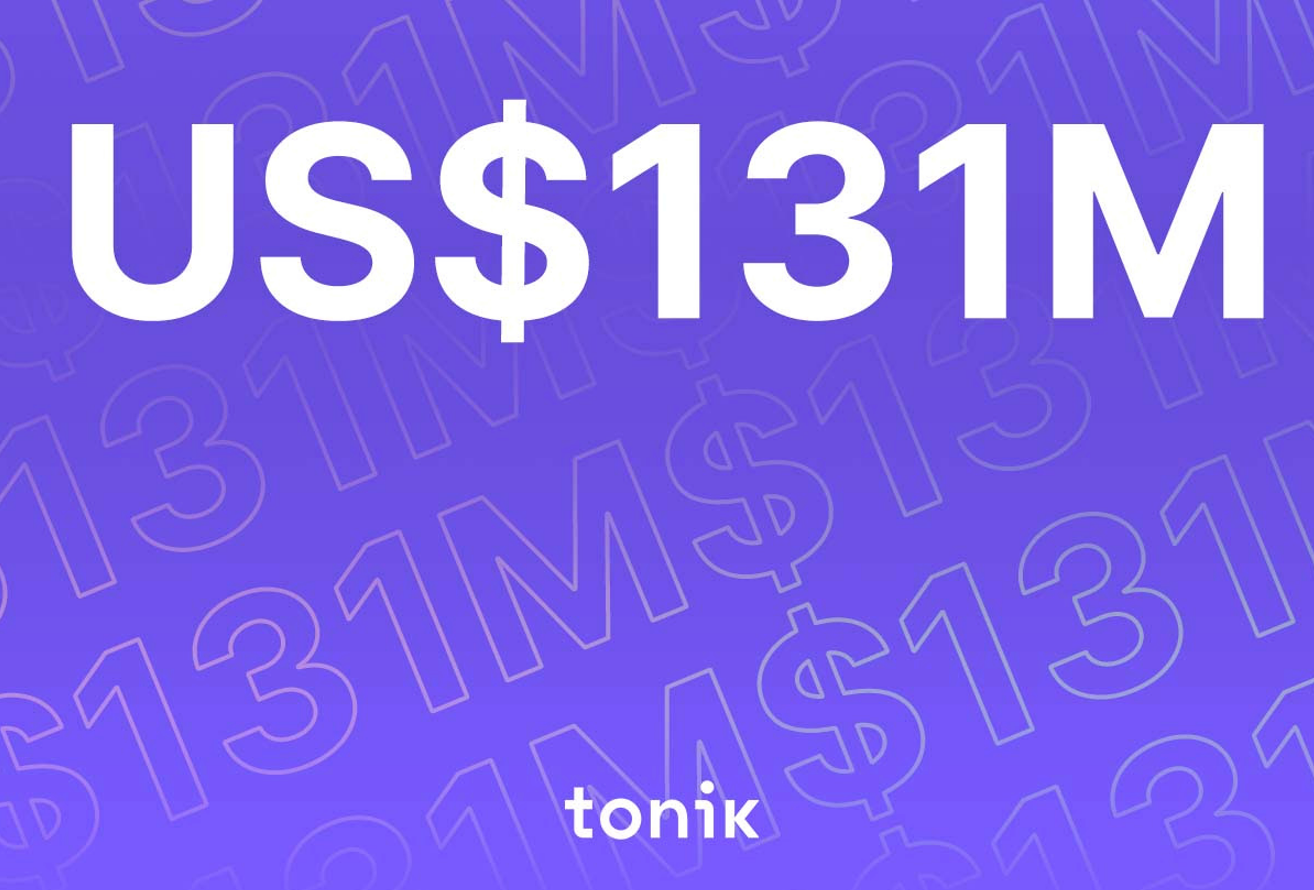
Other investors include Prosus Ventures as well as prior investors Insignia, Sequoia India, Point72 Ventures, and iGlobe
| |||||||
|
- 05:00 am

The UK’s North and South divide continues to widen as businesses begin their journey on the road to Net Zero, according to new findings from Time Finance.
Exploring business efforts to “Go Green” in the New Year, the alternative finance provider found that whilst 70% of the UK business owners surveyed have already implemented measures to become more sustainable (from partnering with sustainable suppliers to investing in electric vehicles and other eco-friendly machinery), the findings paint a concerning picture of regional challenges and setbacks.
Firms based in central and northern regions of the UK reported concerns surrounding the affordability of making sustainable investments, with 100% of East Midlands-based firms and almost 1 in 5 North West firms surveyed reporting that the cost of implementing green initiatives is deterring them from taking steps to improve their sustainability. Comparatively, business owners in the Southern and Welsh regions of the UK did not see affordability as a barrier to change
As a result, only 20% of northern-based firms will consider green investments, such as resources, equipment and training, over the next 6 months compared with 100% of South East, South West and Welsh regions who will. Half of those businesses will use existing cashflow to finance their sustainability plans, 1 in 4 will use their existing bank provider, and 1 in 4 will turn to an alternative finance provider.
Ed Rimmer, CEO at Time Finance, commented: “Our impact on the environment dominated the headlines following COP26 and the pressure is on British businesses to act now. For those already taking steps to reduce their carbon footprint, it refocused their attention and for those that were yet to embark on environmental initiatives, the road to net zero was being paved out for them. What we can see in our survey is that for many intent is there, but SMEs, many of which are still in post-pandemic recovery, are facing a lack of capital, encouragement and confidence to invest in more sustainable practices.
“There appears to be a considerable difference between northern and southern businesses and the progress they are making with their efforts to go green. As a national funder, we want to ensure that every business regardless of location, breaks down those barriers and can bring whatever their investment plans are to life.”
Overall, 2 in 3 SMEs don’t think there is enough Government support to help support the adoption of green initiatives. 45% believe there should be more guidance available on what measures can be taken to improve their carbon footprint and what systems can be put in place to track a business’ impact on the environment. 22% noted that there should be a skills training and investment programme to support a green economy.
“Interestingly, it doesn’t just come down to funding. There appears to be a gap in knowledge, guidance and skills training available. To me it is clear that moving closer to net zero is about incremental change. Business owners overcome a variety of challenges every day and for this very reason, they simply can’t give all of their time and resources to just one (albeit pressing) issue. That said, the pressure to address climate change still remains. If SMEs are to act now, they need more support.”
Time Finance specialise in the provision or arrangement of funding solutions to UK businesses seeking to access the finance they need to realise their growth plans. UK Businesses can take advantage of an extensive portfolio comprising: Asset Finance, Invoice Finance, Commercial Loans, Property Finance and Vehicle Finance. As the market continues to improve, Time Finance are confident that the business is well positioned to take advantage of the opportunities that should arise over the coming months and beyond.
- White Papers
- 09.02.2022 05:16 am
- KYC
If you're looking to decrease KYC processing times and reduce operational costs then you may be reviewing your overall strategy for KYC this year. At Beyond we've worked with a number of Financial Institutions, helping them to accelerate transformation within KYC and we've seen first-hand some of the best practices that make a difference to delivering change.
Our latest guide “Evolving your KYC strategy in 2022” provides practical guidance on how to make change happen within KYC. Insights include:
- Aligning your KYC strategy with your client lifecycle strategy
- Planning for a 3-5 year strategy rather than a one-off exercise
- Turning your strategy into action
Other White Papers
- 07:00 am

The development in the software department has caused considerable growth in various fintech sectors. The previous regimes of visiting the exchange to place certain market orders have been mitigated as traders can now access the best quotes and all instruments from the comfort of their homes.
Traders have to use an appropriate broker to trade online and download their software. These platforms come with various features and functions to help traders get the most out of their trading. To help understand the advantages and discuss how this software is valuable, we will discuss its significant characteristics and see its potential for retail investors.
How does online trading work?
Before diving into the topic, let us clarify how online trading works.
- Trading online requires a smooth internet connection with a good piece of hardware such as a mobile phone or a PC
- Traders have to install the mobile application or the software and log in with their respective account
- Orders are sent through the application to the broker, which processes them and sends them to the exchange
- Depending on the liquidity, the order will be filled immediately or with a slight delay. After the execution, traders can see it within their trading platform and manage it
Xtrade Trading Online Platform offers some of the best spreads and fast execution in the markets.
Essential Characteristics of Online Trading Platforms
Now that we know how online trading functions let us dive into the features of the online trading platforms.
Instruments
One of the most important things for traders is to access the instrument they wish to trade within the market watch. While this is mainly dependent on the broker, the software should be compatible to display all the assets sorted efficiently. With multiple instruments available to trade within a single application, investors do not have to jump from one broker to another.
Support for Trading Robot
Trading robots trade the market on auto mode without manual intervention. They are becoming a hot topic for retail investors as they can generate an excellent passive income. These algorithms are built specifically for a single trading platform. The complexity of an EA can vary according to the software's functionality. A good application can support a variety of robots, including high frequency and arbitrage.
Via backtesting functions, it is possible to test your algorithm or strategy for an extensive period before implementing it on the charts. Optimization features within the online trading platform can help find the best set file for a specific instrument.
Charting
Charting tools are available within most trading platforms and can help traders perform their analysis quickly. This is especially useful for scalpers who have to trade the markets within seconds. Trading software now comes equipped with many tools such as trend lines, Fibonacci intervals, support and resistance lines, and indicators that can be employed on the screen.
Some brokers may use a third-party platform to offer their services to traders, while others may develop their own software with enhanced features that matches their services.
Orders
Trading orders are of many types, including stops, limit, GTC, etc. Your online trading platform can support all or some of the latest available choices.
While it is possible to trade from software, traders can also enter their orders through an online website if available.
Summing up Online Trading Platform
The difference between professional and retail traders has been reducing over the past years mainly due to technological development and the internet. Now retail traders have access to the best quotes and fast executions thanks to the facilities offered by brokers and online trading platforms. To make the most out of this software, traders should learn their functioning before usage.
- 04:00 am

Approval Percentages at Big Banks, Small Banks, Institutional Lenders, Alternative Lenders and Credit Union Still Are Roughly Half of What They Were in January 2020
Small business loan approval percentages at big banks ($10+ in assets) increased from 14.3% in December to 14.5% in January, and small banks’ approvals also rose from 20.1% in December to 20.3% in January, according to the latest Biz2Credit Small Business Lending Index™ released today.
Among several categories of non-bank lenders, approval percentages also climbed. Institutional lenders approved 25.1% of funding requests in January, up two-tenths of a percent from 24.9% in December. Alternative lenders’ approval rates rose from 26.1% in December to 26.3% in January. Credit unions approved 20.7% in January, up one-tenth of a percentage after stalling the prior two months.
Two years ago, bank approval percentages were almost double what they are today. In January 2020, big banks approved 28.3% of loan requests, while small banks approved 50.4% of loan applications. Non-bank lender percentages in 2020 were even higher: institutional lenders approved nearly two-thirds (66.4%) of requests, alternative lenders granted 56.1%, and credit unions approved 39.6%.
“Banks and most non-bank lenders are showing slow but steady increases in their loan approval percentages, as business owners look to reinvest in their businesses,” said Rohit Arora, CEO of Biz2Credit, one of the nation’s leading experts in FinTech and small business lending. “Still, approval percentages are rising slower than anyone had hoped. An expected increase in interest rates from the Federal Reserve may entice them to open the purse strings a little bit more. Loan approval rates are still far below pre-COVID approval levels of January 2020.”
Total nonfarm payroll employment rose by 467,000 in January, and the unemployment rate was little changed at 4.0%, according to the Jobs Report released by the U.S. Bureau of Labor Statistics on Friday, Feb. 4. Employment growth continued in leisure and hospitality, in professional and business services, in retail trade, and in transportation and warehousing. Many of these jobs are created by small businesses.
“The COVID crisis accelerated the shift towards digital lending to small businesses. More and more small business owners are now more comfortable in borrowing or applying for credit online, which wasn't the case prior to the pandemic,” Arora said. “Banks and non-bank lenders are looking to digitize their small business loan application process. Digital learning and AI have helped reduce lending risk, while digitizing has streamlined the process and reduced the time it takes to make a decision.”
Biz2Credit analyzed loan requests from companies in business more than two years with credit scores above 680. The results are based on primary data submitted by more than 1,000 small business owners who applied for funding on Biz2Credit's platform. To view the report for January 2022, click here.
- 06:00 am

The FEG project today introduces SmartDeFi™, its revolutionary cryptocurrency launchpad platform.
Crypto technology has grown at an astonishing rate in recent years, particularly over the last year. Adoption of cryptocurrencies continues to rise as organizations across the globe seriously consider incorporating crypto into their business models to foster growth, bring in new investors and expand their offerings with the power of the blockchain. Today, it’s easier, faster, more cost-effective and much more secure for businesses, nonprofit organizations and even governments to launch a cryptocurrency, thanks to a revolutionary new technology.
SmartDeFi™, the Feed Every Gorilla (“FEG”) token project’s flagship technology, will modernize crypto by providing a hyper-secure and seamless platform by which anyone can launch and trade their own cryptocurrency. SmartDeFi resolves many of the security issues, costs and inconveniences associated with launching a new crypto project through traditional means. Prior to SmartDeFi™, launching a crypto project could cost tens of thousands of dollars, depending on several factors.
While existing contracts can be replicated for little cost, custom contracts can alone reach thousands of dollars. Presales, or liquidity generation events, typically must be launched on third-party platforms that are separate from the exchanges on which trading will occur. The fees charged for launching a presale on existing platforms are typically percentage-based, so the costs can balloon to $10,000 or more, depending on the fundraising needs of the project. Furthermore, while some smaller firms offer contract auditing at a price range of $10,000 to $20,000, hiring trusted auditing firms can easily reach the realm of five to six figures, depending on the audit type and contract complexity. These and many other costs can quickly drive up a barrier to entry that makes launching a cryptocurrency all but impossible.
Using SmartDeFi™, a single integrated platform, organizations can now launch a token, create and execute a presale and open trading with minimal effort. Since the only fees are a 0.5% presale fee and the transaction (or “gas”) fees needed for interactions with the blockchain, costs are negligible. If creating a token on the Binance Smart Chain, for example, the total gas fees paid during the entire process are under $30 U.S. There is no need to use a third-party service to lock the token’s liquidity since it is automatically locked forever within the contract itself.
With the FEG SmartDeFi™ platform, anyone can create crypto projects from start to finish, with no technical knowledge required. Because SmartDeFi™ is a fully furnished token launchpad, there’s no need to develop or code any contracts. Depending on its use case, creating a token needs only a few variables to customize it, and SmartDeFi™ does the rest. Tokens launched are also inherently secure: Anti-bot protections are automatically integrated, rug pulls and honeypots are made impossible, and many other protections are inherent in each SmartDeFi token. The SmartDeFi seal means no expensive audits are necessary.
Once launched, SmartDeFi™ tokens are automatically made available for purchase on FEGex.com, the premier decentralized finance exchange from the FEG token project. However, they are not restricted to this platform alone. Every SmartDeFi™ contract is an exchange within itself — there is no longer a need to interact with any exchange to buy or sell. Using a custom-built embedded widget, SmartDeFi™ token creators can easily and directly enable trading of their token on any webpage. Customers need only browse the company or project’s website, connect their crypto wallet using the embedded widget, and painlessly complete the transaction. By making transactions easy and seamless, this groundbreaking technology reduces complexity, removes obstacles for customers and can bolster adoption of the SmartDeFi™ token.
SmartDeFi™ also features innovative new technologies that help creators market their tokens. Each token launched is integrated with asset backing, a quasi-gold standard for crypto. With each transaction, a small fee is levied and routed to a dedicated asset-backing pool, creating an ever-increasing baseline value. This secondary value will never decrease, giving investors peace of mind that their investment will always be valuable. Additionally, SmartDeFi™ introduces SmartLending — a protocol enabling investors to use their holdings as collateral for short-term, no-interest loans. Investors can leverage their tokens’ asset backing to cover real-world expenses, expand their portfolio or otherwise utilize their investment’s value without having to sell.
As crypto adoption continues to grow around the world, businesses, nonprofit organizations, communities, governments and others are increasingly interested in leveraging the blockchain. The FEG token’s SmartDeFi launchpad protocol makes creating crypto assets easy and highly cost-effective while providing second-to-none security, safety and ease of use. With asset backing and SmartLending, customers and investors have unprecedented security and control over their investments. Teams launching SmartDeFi tokens will enjoy an incredibly streamlined process without the need for coding, multiple platforms or expensive fees. SmartDeFi is truly revolutionary and is making crypto a reality for everyone.