
Published
- 07:00 am

More than a third of firms in emerging finance sectors admit that they have been a victim of financial crime – including money laundering, in the last six months, new data from a cross-sector survey can reveal.
It should come as no surprise though as the same survey found that less than a quarter of firms complete the necessary checks, required by regulators to verify the identity of new individual customers.
The shocking statistics are revealed in a comprehensive new survey of 500 compliance decision-makers in banks, challenger banks, crypto platforms, property developers and gaming outlets by SmartSearch, the leading UK provider of digital compliance solutions.
It follows the Economic Crime Survey earlier this year, which found that the average annual cost for businesses for all fraud incidents has escalated to more than £16,000. Meanwhile, 11 percent of businesses reported annual total costs of over £20,000, while three percent reported costs in excess of £100,000.
The SmartSearch data found that banks were the biggest victims, with more than 40 percent of all banks surveyed falling foul of financial crime and/or money laundering. Within banking, the number of challenger banks (46%) slightly edged out traditional high-street banks (40%) in making the admission.
Across the other sectors surveyed, more than a third of property developers, a third of gaming firms and more than a quarter of crypto platforms all revealed they have a been a victim of financial crime in the last six months.
Speaking on the findings, Martin Cheek, managing director of SmartSearch said: “There’s no question financial crime can have massive implications for businesses. It’s not just the loss of revenue, it’s also the reputational damage and the questions it raises for regulators and authorities about the safeguards and compliance measures in place. That’s especially true if businesses are not properly verifying customers – as our survey has revealed.
“As the threat of money laundering and financial crime increases, and the burden of compliance grows even heavier, firms must take action and improve both their systems and their processes to avoid becoming victims too. Advancements in digital compliance are helping firms of all sizes mitigate these challenges by not only identifying potential red flags as part of detailed checks, but providing constant access to real-time data and intelligence.”
The survey is the third in SmartSearch’s continuing Electronic Verification Uncovered campaign, which aims to make firms aware of the dangers of relying on flawed, old-fashioned methods of identity verification. The campaign argues that businesses should use digital compliance to ensure they properly identify and screen clients - as recommended by the Government in the 2020 Money Laundering and Terrorist Finance Act - to stem the flow of dirty money into the UK and protect firms from the fines and reputational damage which come with breaches.
SmartSearch supports more than 6,500 clients and 60,000 users with their anti-money laundering (AML) compliance, including detailed Know Your Customer (KYC) checks, robust sanction and PEP screening, and real-time monitoring. It is trusted by more than 2,000 financial services firms, over 1,000 property firms, as well as one in two of the top 100 accountancy firms and one in three of the top 200 legal firms.
The research was conducted by Censuswide with 500 compliance decision-makers, aged 18+, who are in crypto (exchanges, OTC traders), gaming (casinos, online betting platforms, high-street betting shops), property development and banks (including challenger banks) between May 26 and July 2, 2023. Censuswide abides by and employs members of the Market Research Society, which is based on the ESOMAR principles, and are members of The British Polling Council.
- 05:00 am
ieDigital, a leader in digital banking software in the UK, has today announced it has acquired Connect FSS, the US-based digital banking Software as a Service (SaaS) technology provider.
ieDigital is a major player in the UK fintech market, providing digital software solutions for over 50 financial services businesses. ieDigital is the chosen partner to four of the UK’s five largest banks and has a proven track record of delivery of digital platforms across a broad range of financial products.
Connect FSS is a preeminent digital banking provider, currently serving credit unions in the United States.
The acquisition follows a detailed search by ieDigital over the past year for a business partner that can help the company accelerate its growth plans and cement its position as a leading UK fintech player with international market reach.
The acquisition will bring together the expertise of both companies, signifying a shared vision to deliver new and improved digital software solutions and exceptional customer service to financial services firms and credit unions.
For the marketplace the acquisition delivers clear benefits that include:
- Scale – the acquisition brings more scale and resources that will deliver business value to customers
- Enhanced digital solutions – both companies already operate with complementary SaaS technology, and clients will now be able to get the benefit of both organisation’s software
- Accelerated innovation – teams from both companies will be able to work closely together delivering faster innovation and software development, with clients directly benefitting from new or improved digital solutions
- International reach – with an increased global footprint, both businesses will be better positioned to serve clients across the world
Jerry Young, CEO of ieDigital and Grant Parry, President & CEO of Connect FSS, will work in synergy to lead the two businesses and continue to deliver unrivalled service and solutions to both customers and partners.
The two companies will sit as part of a new ieDigital Group (the Group), where Young will become Chief Executive Officer (CEO) and Parry will become Executive Vice President (EVP) of Strategy.
At this time, both companies will retain their separate brand names in their respective markets, with separate websites. Connect FSS will also remain a Credit Union Service Organisation (CUSO).
Jerry Young, CEO of ieDigital, commented:
“We’re very excited about the growth opportunity this acquisition will bring. Joining forces with Connect FSS will enable us to support a broader range of customers in different geographies that we wouldn’t have otherwise been able to reach, and strengthen our technology with insight from our new colleagues in the US. We look forward to seeing the benefits that will come with today’s deal.”
Grant Parry, President & CEO of Connect FSS, added:
“Partnering with ieDigital is a natural next step in our evolution as a business. There is a clear synergy between our two cultures, and in terms of the technology and skillsets that we share. We’re enthusiastic about what we will be able to deliver with ieDigital’s insight and experience in fintech. Our joint ambition is to provide excellent customer service and tailored solutions to clients, and we are confident we can further achieve this with today’s news.”
- 06:00 am
New research from independent SME funder, Bibby Financial Services (BFS), highlights a significant threat to the UK economy as banks appear to be retreating from lending to small businesses.
Data from BFS’s latest SME Confidence Tracker report reveal that while almost half (43%) of UK SMEs say their need for external finance has increased compared to six months ago, 54 per cent say it is harder to access finance.
Worryingly, more than two-thirds (67%) believe banks are less willing to lend to them today, increasing to 71 per cent for SMEs with turnover between £1m and £5m. Of those using external finance sources, two-fifths (42%) say incumbent lenders have reduced funding availability between March and September.
Theo Chatha, Chief Financial Officer at Bibby Financial Services commented: “These findings are incredibly worrying and will undoubtedly hamper the UK’s economic recovery, placing further pressure on an already besieged SME population. Data reflects a potential turn in the UK credit cycle during a cost-of-doing-business crisis not seen on this scale for decades.”
Against a backdrop of dogged inflation, sustained energy costs and high-interest rates, the deterioration in access to finance is an additional barrier for SMEs who are calling for further support. Two-thirds (65%) want to see greater tax incentives, and 57 per cent are asking the next Government to improve access to loans and grants.
Findings are supported by data from BDRC’s SME Finance Monitor which found success rates for credit applications among SMEs fell to 46 per cent in Q2, a significant decrease on the 74 per cent seen pre-Covid.[1]
Theo Chatha said: “Though banks today are better capitalised than they were during the Financial Crisis, economic conditions coupled with regulatory and accounting initiatives look to be driving tougher lending criteria. This will have a significant impact on SME finance, both in terms of the level of funding SMEs have access to, and the profile of businesses banks are comfortable to lend to. Unaddressed, this situation will intensify, causing a further rise in the number of insolvencies over the coming months – something the Bank of England has warned of.”
Notwithstanding the stark findings, some optimism remains among SME owners and decision makers with 63 per cent expecting sales to grow over the coming months. Regarding the need for external finance, 38 per cent require funding to manage day-to-day operations, and almost half (49%) say they need finance to fuel growth and expansion.
Theo Chatha added: “Though traditional lending sources for SMEs seem to be drying-up, the reality is that there are more independent options available for SMEs than ever before. Gone are the days when banks need to be the first and only port of call for businesses looking for funding to survive, thrive and grow.”
- 08:00 am
ITRS, leading provider of real-time estate monitoring and analytics software to global financial institutions, has announced a new partnership with GCI Consulting, the worldwide Temenos implementation leaders, to provide monitoring systems to its users.
ITRS’ monitoring solutions are the silver bullet for banks seeking to ensure always on operations. To keep up with the rapidly changing digital environment, and customer demand for digital-first services, traditional banks IT estates have grown ever more complicated as they add new digital systems and capabilities to their legacy tech. This complexity means that monitoring the health of them, and preventing downtime is particularly difficult.
This when coupled with the rise of challenger banks, who by being tech first naturally have more nimble operating systems, has left the traditional players on the back foot when it comes to preventing and mitigating the risks of system failures.
By partnering, banks will be able to leverage GCI Consulting’s 20-year, extensive knowledge of the core Temenos banking system and ITRS’ leading monitoring software to ensure they get the best possible results from the software.
By utilising ITRS technologies, banks can get information on all digital activities via a single dashboard, allowing them to proactively mitigate operational and financial risk, shorten issue detection and resolution time, and comply with operational resilience regulations.
Rodney Taylor, Head of Partners & Channel Sales at ITRS commented: “Banks have been through a turbulent few years - rapid digitalisation, rising competition, greater regulatory pressure regarding operational resilience and market volatility to name a few of the challenges – which has resulted in increased scrutiny of their operating systems. And in this operating environment, should systems fail, the impact can be catastrophic. However, by utilising our technologies, this can be prevented.”
Guy Warren, CEO at ITRS, added: “By partnering with GCI Consulting, we are able to leverage their extensive 20-year expertise and knowledge of the Temenos system, which is powering immense growth in the digital banking space with incredibly fast go-lives and massive scaling. While such speed has the potential to be incredibly positive, a robust monitoring solution is required to continuously assess its health. Our solutions ensure round-the-clock availability of all customer-facing digital activities, so banks can focus internal resources on powering new growth opportunities, driving efficiencies at scale, and delivering the ultimate customer experience.”
Chris Walne, CEO at GCI Consulting, added: “As the go to partner for Temenos systems implementations and upgrades, it was essential for us to partner with a firm that would allow us to enhance our offering, and offer our customers the best possible monitoring systems. After undertaking a thorough review of the solutions available in the market today, it was clear that ITRS was leading in this field; they were the clear partner of choice for us. Added to that, their commitment to delivering the best possible outcomes for their customers is of paramount importance, which is a value we share. Together we will be able to power banks successes of tomorrow, today.”
Jacob Christiansen, Chief Commercial Officer at GCI Consulting concludes: “Don’t wait for your customers to tell you that your digital services are not operational or not performant - take control of your system's performance. By partnering with ITRS we enable Temenos core and digital banking system users to know exactly the moment when system performance starts to dip, allowing you to swiftly implement corrective measures, and thus avoiding potential negative reputational impact. But that's not all. The robust monitoring solution, coupled with advanced automation capabilities, doesn't just ensure top-notch performance – it also supercharges your operational efficiency and slashes costs for financial institutions.”
- 06:00 am
Mastercard today announced that it has successfully demonstrated capabilities of a new solution that enables CBDCs to be tokenised (or “wrapped”) onto different blockchains, providing consumers with a new option to participate in commerce across multiple blockchains with increased security and ease.
The solution, developed in partnership with Cuscal and Mintable as part of a RBA and DFCRC research project to explore potential use cases for a CBDC in Australia, includes controls ensuring that the pilot CBDC can be held, used, and redeemed only by authorised parties that have been Know Your Customer (KYC) verified and risk assessed by licensed service providers.
“As the digital economy continues to mature, Mastercard has seen demand from consumers to participate in commerce across multiple blockchains, including public blockchains. This technology not only has the potential to drive more consumer choice, but it also unlocks new opportunities for collaboration between the public and private networks to drive genuine impact in the digital currency space,” said Richard Wormald, Division President, Australasia at Mastercard.
Mastercard demonstrated in a live environment how the solution could enable the holder of a pilot CBDC to purchase a NFT listed on the Ethereum public blockchain. The process “locked” the required amount of a pilot CBDC on the RBA’s pilot CBDC platform and minted an equivalent amount of wrapped pilot CBDC tokens on Ethereum.
A pre-requisite of the test transaction was that the Ethereum wallets of both the buyer and seller, as well as the NFT marketplace smart contract, were ‘allow-listed’ within the platform. With all other transfers of the wrapped pilot CBDC blocked, it successfully demonstrated the platform’s ability to implement controls – even on public blockchains.
The pilot leveraged two pillars of Multi Token Network, which Mastercard introduced in June 2023 as a set of foundational capabilities designed to enable more efficient payment and commerce applications using blockchain technology. This includes Mastercard Crypto Credential which offers a set of common verification standards and infrastructure to enable trusted interactions using blockchain networks, in addition to interoperability to offer capabilities across all supported payment tokens and networks in a scalable manner.
Mastercard Multi-Token Network, which is currently in beta, plays a key role in Mastercard’s wider strategy to expand the use of blockchain technology across several payments use cases. It will allow regulated entities to take advantage of the functionality available in digital assets and is currently being piloted with select financial institutions around the world.
“As demonstrated in this project, the solutions that play a key role in Multi Token Network have the potential to enable new levels of interoperability between blockchains, in a safe and secure manner. By enabling people to easily move digital currencies on-demand, via Mastercard’s trusted network, more consumers could participate in crypto ecosystems using reputable and reliable forms of money, while enjoying the benefits that these currencies offer such as programmability, transparency, and compliance,” added Wormald.
Zack Burks, CEO and Founder of Mintable, a participant in Mastercard’s Start Path development program, said: “The vast potential of NFTs was obvious during this progressive CBDC pilot. Together with Mastercard, we have identified a use case whereby digital currencies and NFTs can easily be linked, potentially stamping out fraud and theft, ending the loss of documentation and records, and unleashing new possibilities for commerce. Mintology, Mintable's B2B arm, is making NFTs more accessible and more valuable with innovative new uses. While digital currencies are in their infancy, NFTs are already being used for new media, gamification, digital identities, loyalty programs, ticketing, authentication, certification, and more.”
Nathan Churchward, Domain Lead, Payments at Cuscal, added: “We were pleased to collaborate with Mastercard to test new approaches to managing settlement and liquidity risk through the CBDC pilot. It's exciting to be able to further partner with Mastercard to support the future of banking and payments in Australia.”
The RBA’s CBDC pilot project with the DFCRC explored potential use cases for a CBDC in Australia. The project involved the RBA issuing a limited scale ‘pilot’ CBDC that was a real legal claim on the RBA. The pilot CBDC was used by selected industry participants to demonstrate how a CBDC could be used to provide innovative payment and settlement services to Australian households and businesses. For more details on Mastercard’s use case as part of the project, visit the DFCRC website.
- 02:00 am
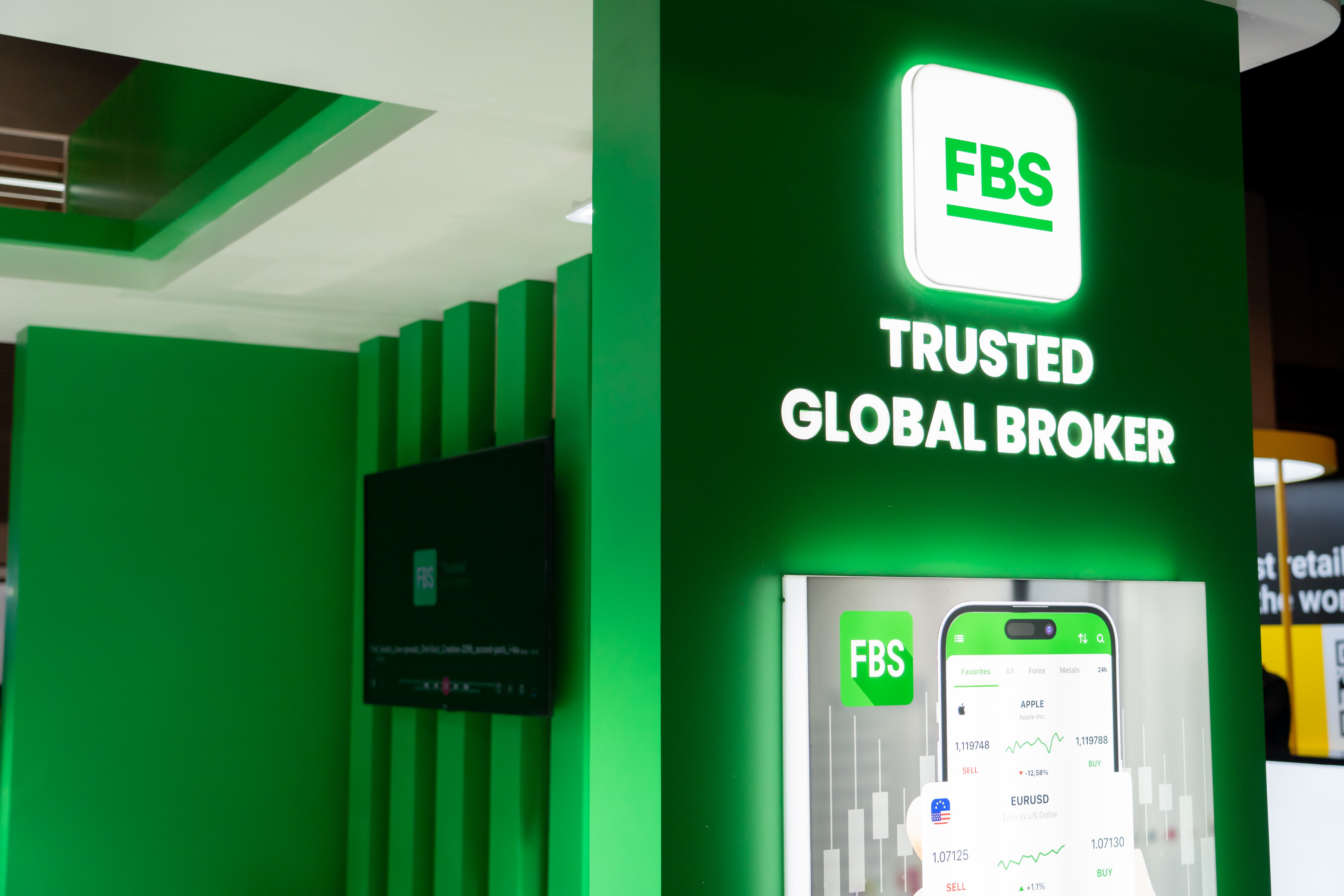
FBS, a leading global broker, received the Best Islamic Forex Account award from the Forex Expo Dubai. Excellence in this nomination recognizes FBS’s commitment to improving people's access to financial markets and inclusion in trading.
"The number of users who use Islamic trading conditions has more than tripled since the beginning of 2023. Thus, FBS is especially honored to receive the Best Islamic Forex Account award. It is a testament to our success in delivering tailored trading tools that cater to the needs of traders of different backgrounds. Offering swap-free, FBS contributes to the growing demand for faith-compliant forex trading options," said Ala Mohammed, Manager of Partnership in Arabic Region, FBS.
FBS's 'Islamic Trading' or 'Swap-Free' empowers Muslim traders, enabling them to participate in forex and CFD-trading without incurring overnight swap fees under the principles of Islamic finance. What sets FBS apart is the accessibility of this feature – swap-free is available across all FBS account types, including Standard, Cent, and Pro.
Traders based in countries where Islam is the predominant religion can seamlessly activate the swap-free feature directly from their FBS account, ensuring they can engage in forex trading without compromising their beliefs. Additionally, FBS extends this privilege to traders from other parts of the world, allowing them to enjoy the benefits of swap-free trading conditions by simply contacting FBS client support for its activation.
With the "Best Islamic Forex Account" award, Forex Expo Dubai recognized FBS's solid position as a trusted partner for traders of different background.
"The 6th edition of Forex Expo 2023 marks a milestone in the world of foreign exchange trading. This grand event offers a luxurious platform for Forex traders, Investors, IBs, Financial Institutions, and Brokers, uniting experts and enthusiasts from every corner of the trading and investment world. It serves as the ideal stage for forging invaluable connections and partnerships,” commented a representative of HQ MENA.
- 05:00 am

LUNA, an Indonesian embedded fintech and vertical SaaS platform for retailers and MSMEs, today announced the completion of a round of financing led by TNB Aura through its TNBA Scout initiative, with participation from Seedstars as well as existing investors 1982 Ventures, Century Oak Capital, and Prasetia Dwidharma.
Launched in late 2019, LUNA is the full-stack operating system for merchants to improve their operations, payments, accounting, access to financing, supply chain, digital marketing, customer relationship, loyalty programs, HR, legal and compliance. LUNA currently covers over 70 cities in Indonesia, growing over 20% month-on-month with over 7,000 active merchants onboarded to date.
“We see a massive opportunity in Vertical SaaS for Indonesian retail merchants. Not only is this one of the largest and most important industries in Indonesia, we are best-positioned to help our customers digitize their entire operations, grow their businesses, and enhance their workflows,” said Abdullah Lewis, CEO, LUNA. “Retail merchants face an incredibly complex and competitive market. Many have not digitized or are using outdated legacy systems that were not built for Indonesian retailers or MSMEs. LUNA is the all-in-one system for retail owners to scale their business and provide enhanced customer experiences.”
LUNA’s full-suite of solutions for retailers include: mobile point-of-sale system with a built-in enterprise resource planning (ERP)/accounting system (Luna POS); QRIS, debit, and credit card payment enablement (Luna One); financing support for MSMEs (Luna Capital); online web (TokoLuna); and digital supply chain solutions (Luna Mart); legal support, company registration, and patenting (Luna Legal); helping MSMEs to manage social media and advertising (Luna Ads); as well as HR management, loyalty programs, and customer relationship management offerings.
“With 90% of all MSMEs in ASEAN based in Indonesia, we believe there is still a large, untapped market presently facing a lack of access to new technology and capital. We believe LUNA’s unique access to MSMEs through its rural bank partnerships along with their POS system software serve as prime data collection points which will enable business owners access to their full suite of product offerings,” said Glen Ramersan, Managing Partner & Head of Indonesia, TNB Aura.
LUNA is led by a team of experienced retail entrepreneurs, including Abdullah Lewis (CEO), Patricco Baron (CTO), and Irianto Siah (COO). As a serial entrepreneur in the retail space, Abdullah recognized many of the difficulties that Indonesian MSMEs faced in managing their businesses, and created LUNA to offer retail merchants a suite of tools that would help them digitize their businesses—starting with point-of-sale and expanding to all other critical solutions and services.
“LUNA is at the forefront of Indonesia's digital transformation, and well-positioned to empower MSMEs with a comprehensive suite of solutions. Enabling digitization, workflow automation, and seamless digital payments, LUNA also opens access to much needed financing. With over 60 million MSMEs in Indonesia, LUNA stands poised to make a monumental impact in this space.,” said Patricia Sosrodjojo, General Partner, Seedstars.
LUNA has established partnerships with major banks such as Bank Jawa Barat, CIMB Niaga, Bank Neo Commerce and Nobu Bank; P2P lenders Koinworks and Batumbu, and wireless network operator Smartfren. The company is rolling out an HR management system as well as additional value-add services to better meet the needs of MSMEs as a comprehensive solution.
“LUNA’s vertical SaaS platform helps businesses manage operations better and earn more revenue. Through its marketplace, they can find loans, receive digital payments, engage suppliers and discover new ways to earn. Banks, Lenders, and network operators choose Luna when they want a strong partner to improve their services,” said Scott Krivokopich, Founding Managing Partner, 1982 Ventures.
With this round of financing, LUNA plans to recruit talent across all functions, expand to new cities in Indonesia, and invest in platform development to become the only SaaS platform a retail merchant needs to operate their business.
- 09:00 am

Matic, a leading embedded insurtech platform, announced it raised $20 million as an extension to its Series B. The round includes $17 million in Series B equity co-led by IA Capital Group and Cultivation Capital with participation from existing investors and the majority led by new investors, including Intuit Ventures, TruStage Ventures, and Assurity Ventures. Concurrently, Matic upsized its credit facility by $3 million, bringing new liquidity to $20 million.
The round is underscored by Matic doubling its valuation since their 2020 Series B raise and track record of averaging 100%+ revenue growth over the past five years. Additionally, Matic has improved its bottom line by 60%+ over the last year, driven by its highly profitable, recurring revenue model.
Matic’s mission is to simplify the world of insurance. The company is a digital insurance agency built for partners. Matic integrates directly into the homeownership experience to help consumers save time and money on insurance and help partners generate a new revenue stream for their business.
Today, Matic partners with over 100 lenders, servicers, and banks that collectively process 20% of home loans in the U.S., including five of the top 15 mortgage servicers and a top 10 global bank. Matic recently won contracts from three competitive RFPs and is launching later this year with a top 10 U.S. bank and two top 25 mortgage companies.
"Despite the macroeconomic environment and challenging insurance market, Matic continues to profitably grow," said Ben Madick, CEO and Co-Founder of Matic. "The commitment from new and existing investors demonstrates Matic’s sustainable business model that thrives in all markets through partner-led growth. We are thrilled to partner with Intuit Ventures and be one of the first insurtechs joining their portfolio. This successful round is a testament to the hard work and dedication of the Matic team and I couldn't be prouder of the business we have built together."
New investors include Intuit Ventures, TruStage Ventures, Assurity Ventures, Venice Investments, Bayshore Capital, among others. Additionally, existing investors participated in the round, including IA Capital Group, Cultivation Capital, Fenway Summer, MTech Capital, Nationwide Ventures, and Allstate Strategic Ventures.
"Consumers want a simple, easy, and transparent experience when searching for home insurance," said Adam Coccari, Managing Director at Intuit Ventures. "Matic's insurance marketplace helps customers find the right coverage at the best price. Its ability to provide a seamless, embedded experience has made it a top insurance partner for mortgage companies and banks. We look forward to supporting their growth as they continue to simplify the world of insurance."
The latest growth investment is intended to support Matic in capitalizing on its market leadership as the embedded P&C insurance provider for mortgage and banking institutions and will be used to accelerate partnership expansion. The digital insurance agency plans to invest in product optimizations to continue simplifying the insurance shopping experience through both digital and agent-assisted models. Additionally, Matic will expand its carrier marketplace to address dynamic changes to carrier appetites due to severe weather events and ensure continued coverage across the U.S. Lastly, Matic plans to expand beyond P&C insurance and offer life insurance to provide comprehensive coverage solutions that meet the needs of its growing partners’ customer base.
- 03:00 am
Starting on October 10th, the ARB token is available through Bitso —the leading financial services company powered by crypto in Latin America— as part of a collaboration with Arbitrum that also includes the integration of this network into the platform to increase the efficiency and performance of Ethereum network.
Arbitrum is a Layer 2 scaling solution for the Ethereum blockchain that, being built on it, maintains the security and advantages of Ethereum with lower costs and greater speed. This Layer 2 protocol works as an alternative channel that focuses on smart contracts to enhance the speed of operations.
The network's native token, ARB, was released in March of this year, nearly two years after the launch of Arbitrum. It is an ERC-20 governance token, that allows its holders to vote in decisions that affect the operation and evolution of Arbitrum, such as proposals for upgrades to the chain, the allocation of funds, technical changes and the election of the security council. Having ARB makes you part of Arbitrum’s ecosystem.
"We are thrilled to introduce an exciting collaboration with the Arbitrum Foundation, through which we want to respond to the needs of Bitso users with the incorporation of a new Layer 2 network like Arbitrum, as well as its native ARB token. This collaboration will unlock synergies between our respective teams and expertise to offer new solutions for the crypto community in Latin America," Andrés Salcedeo, Head of Crypto at Bitso, said.
ARB is not a minable currency, 1,275 billion ARB are currently available on the market, equivalent to 12% of the initial offering of 10 billion ARB tokens. The Arbitrum network will improve the experience in transactions with ETH from Bitso when selecting it as a network, allowing deposits and withdrawals to any wallet or protocol that supports the Arbitrum network with lower costs and greater speed than those of Ethereum.
- 04:00 am
Provenir, a global leader in AI-powered risk decisioning software, today announced that it has been named a Credit Strategy Lending Awards 2023 finalist in the “Best Technology Partner” category.
The Credit Strategy Lending Awards is the only awards program honouring individuals, teams and businesses across alternative lending, commercial finance, and mortgage industries. The awards celebrate excellence across the entire lending market. Winners will be announced Nov. 14 at an awards ceremony at the Hilton London Watford.
“To compete successfully in the digital-first, instant gratification world, financial services organizations need a solution to automate credit assessment processes so lending decisions can be made quickly and more efficiently,” said Frode Berg, Provenir’s Managing Director for EMEA. “Provenir’s AI-Powered Risk Decisioning Platform delivers diverse data for deeper insights and a continuous feedback loop for constant improvement, enabling lenders to support credit decisions in real-time at scale and more easily tailor lending products and terms to meet the specific needs of their customers.”
The Provenir AI-Powered Risk Decisioning Platform is a single, comprehensive cloud-based solution—not a selection of vendor products tied together. This unique offering gives organizations the ability to power decisioning innovation across the full customer lifecycle, driving improvements in the customer experience, access to financial services, business agility, and more.








