Speed and Precision, at Scale: How AI Is Reshaping Corporate Lending

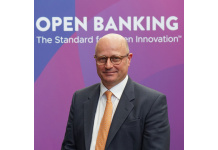
- Mr. Oshri Harari, Chief Operating Officer at Liquidity
- 11.06.2026 11:15 am #CorporateLending #AIFinance
Corporate lending is under pressure to evolve. Traditional due diligence in private credit takes weeks, sometimes months, of manual bottlenecks. Today, AI can change that equation: advanced models can process bank statements, granular accounting data and real-time feeds to generate structured, forward-looking credit conclusions in minutes.
Yet, speed alone is not enough.
Institutions deploying billions don't accept unauditable black boxes. The real operational challenge isn't automating procedures; it's designing workflows and decisions where efficiency and risk certainty move together. That means enforcing hard risk boundaries across jurisdictions while executing at algorithmic speed. Getting that balance right is what separates genuine operational advancement from a costly, high-speed mistake.
"The real operational challenge isn't automating procedures; it's designing workflows and decisions where efficiency and risk certainty move together."
One underappreciated frontier is using large datasets to predict recovery rates during market stress. Algorithmic modelling can simulate dynamic "fire sale" scenarios, stress-testing collateral realisation against country-specific conditions before a crisis hits. Historically, static metrics and subjective intuition caused credit committees to freeze or miss deals entirely. Real-time data changes that. It gives decision-makers the analytical foundation to act with confidence, rather than hesitation, when opportunities are time-sensitive.
Three operational shifts matter most right now:
Actionable transparency. Abstract risk flags aren't enough. When a transaction is rejected, the system should instantly calculate exactly what changes, such as debt reduction or additional conditions precedent, would make it approvable. Credit committees need clear visibility into the path forward, not just a verdict on the current proposal. That clarity accelerates deal flow and builds trust between lenders and borrowers.
Continuous stress-testing. Compliance can't be an annual audit. AI models need regular simulation against real market shocks: sudden rate spikes, supply chain disruptions and liquidity crunches. Treat it like a flight simulator; you don't wait for turbulence to test your pilots. Ongoing testing ensures models react rationally and stay within predefined institutional safety limits when conditions deteriorate quickly.
Hybrid covenants built from real data. Rigid covenants trigger false defaults and damage borrower relationships. Deep ecosystem data allows institutions to construct covenants that adapt to real-time performance, turning debt into a more flexible capital tool. When data signals collateral erosion or a material breach, human judgment steps in early before a default becomes inevitable, keeping borrowers operational and relationships intact.
The future of alternative lending isn't quick customer onboarding or operational efficiency alone. It belongs to institutions that use AI across three dimensions simultaneously: smarter internal decision-making, financial products tailored to borrower needs and proactive early communication when conditions shift.
That combination, data-backed and built for scale, is what separates the next generation of institutional lenders from those still running on static models and gut instinct. AI-enabled speed and precision will unlock the true, scalable potential of institutional credit technology.